

From the ancient history of Košice: Interesting facts about the City Park
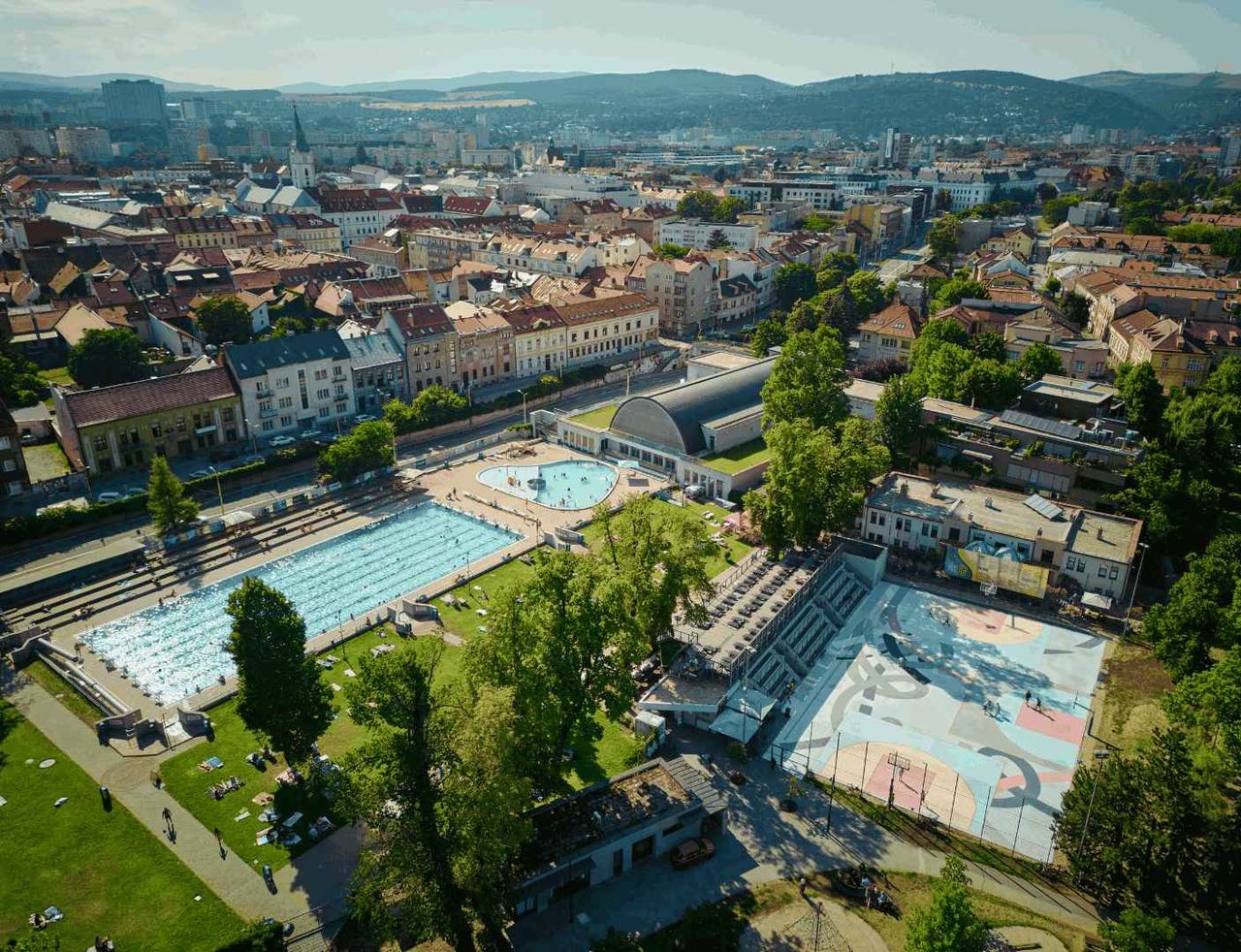
Locals walk it daily at any time of the year towards work or for an afternoon rest. Learn more about the history of City Park and plan a relaxing wander through the park this coming weekend with the kids or during a romantic errand.
The seat of the important mayor of Košice
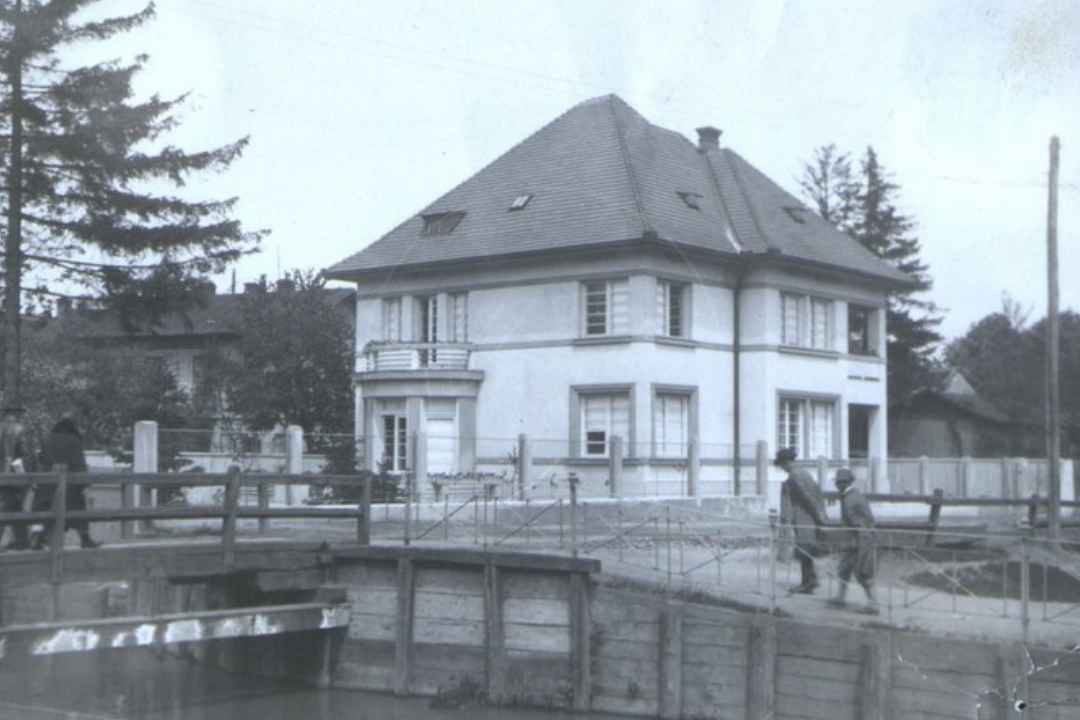
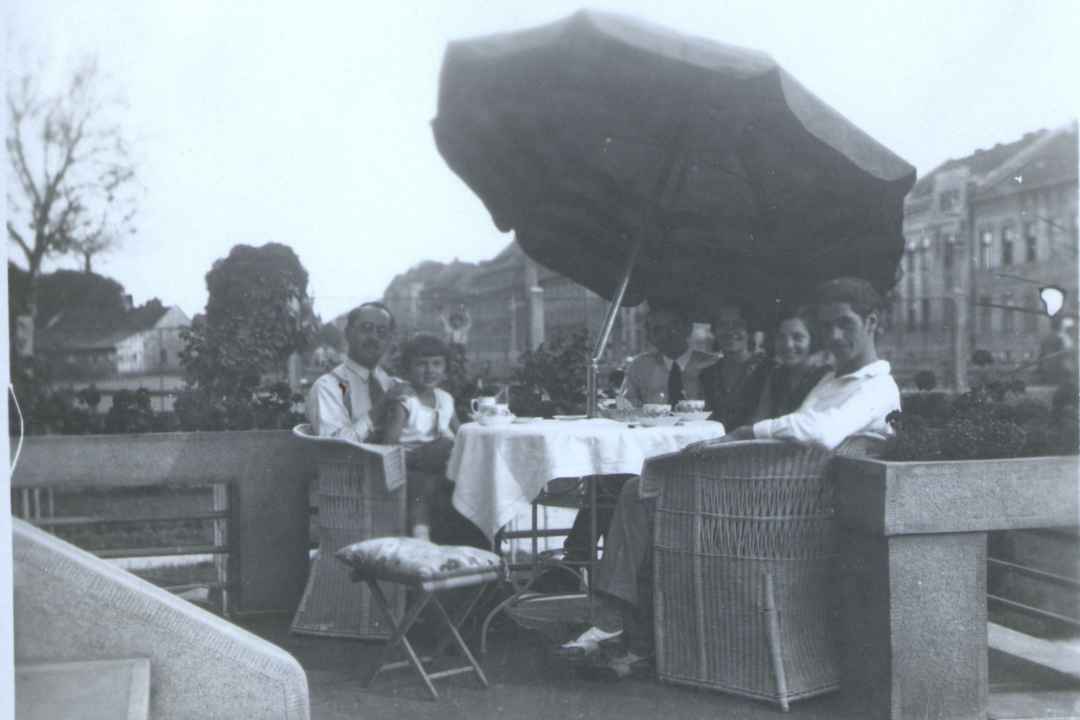
Does the name Pavol Novák mean anything to you when remembering the history of Košice in the 20th century? He was the very first mayor of the city during the 1920s, who was also responsible for the building of the fire station on South Avenue and the city library. However, not many people know that this important mayor had a villa built in the city together with his family, designed by the architect Rudolf Brept.
However, the Novák family lived here for less than nine years and moved out during the Vienna Arbitration in 1938. The villa on Rumanova Street, with its famous balcony, best seen from the small bridge leading to Vodná Street, is now the Centre for Dianetics and Scientology.
 Source
Author of the sculptural work in front of the Kunsthalle
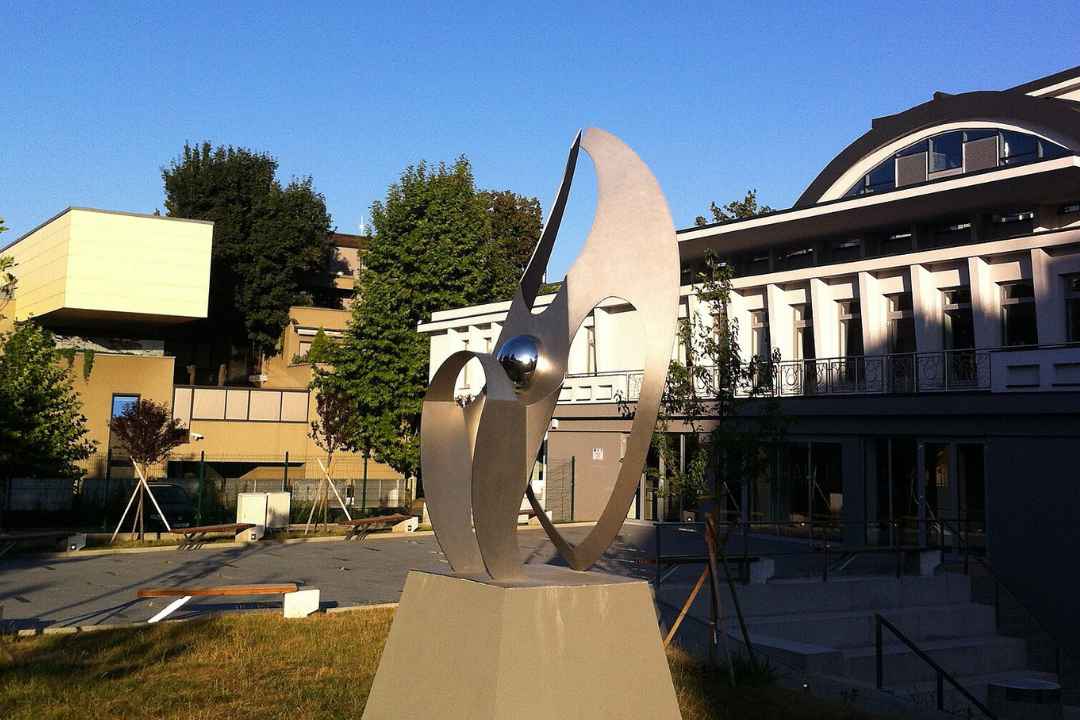
Stop for a moment in front of the famous building of the Košice Kunsthalle/Hall of Art, whose transformation is also discussed separately in the article below. Directly in front of the entrance you will find the impressive sculptural work Joy by an artist named Gyula Košice (1924 - 2016), formerly Ferdinand Fallik from Košice.
It was this sculptor who played an important role in the development of the abstract non-figurative art movement in Argentina, where he emigrated and lived most of his life. His main contribution lies in his pioneering achievements in the fields of kinetics and light art. He was the first in the world to use water, neon tubes and Plexiglas in his sculptures. His work was given pride of place here in 2013 during the European Capital of Culture title.
 Source
The romance of a musical gazebo
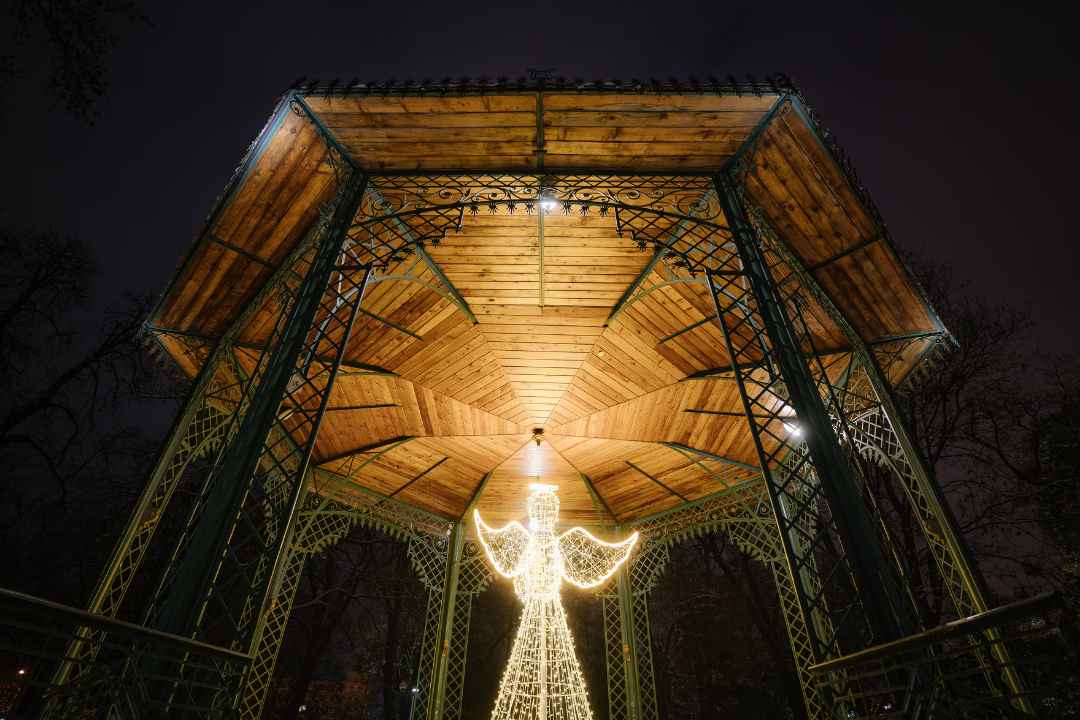
Whether you come to the Municipal Park during the warm or cold months, be sure to pay attention to the romantic musical gazebo from 1885 designed by the architect Július Pöschl with an iron structure by the artistic blacksmith Master Kozzig.
Come here to enjoy pleasant musical performances by local bands or even foreign performers during regular summer city festivals, such as Summer in the Park - close your eyes and imagine how the people of Košice in the times of the Austro-Hungarian Empire enjoyed artistic events in your place more than a hundred years ago!
Revitalisation of the municipal swimming pool
Between Vodná and Rumanova Street you will also find this gem of Košice's cultural history - get to know the building and the events of the exceptional Kunsthalle/Hall of Art. The year 2013 with the title of European City of Culture brought hundreds of positive changes and investments in the field of culture, art, revitalization of public space and the creative industry sector for Košice.
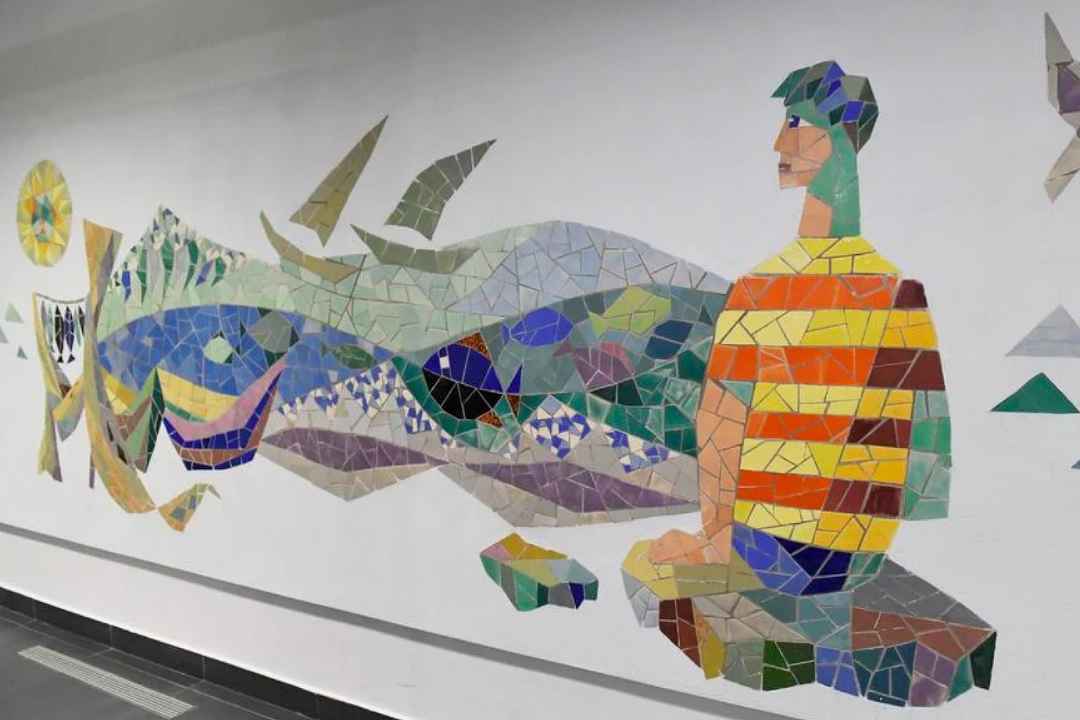
When you enter the City Park, you will get a glimpse of the seat of contemporary art, which a few years ago was a dilapidated former indoor swimming pool. The 1957-1962 building, designed by architect Ladislav Grec, once had one of the most architecturally beautiful indoor swimming pools in the former Czechoslovakia. However, the entire infrastructure of the building has not completely succumbed to reconstruction - in its bowels you will find, for example, the beautiful and typical colourful mosaics by their author, Herta Ondrušová-Viktorínovová.
 Source
The Mystical History of Košice Venice
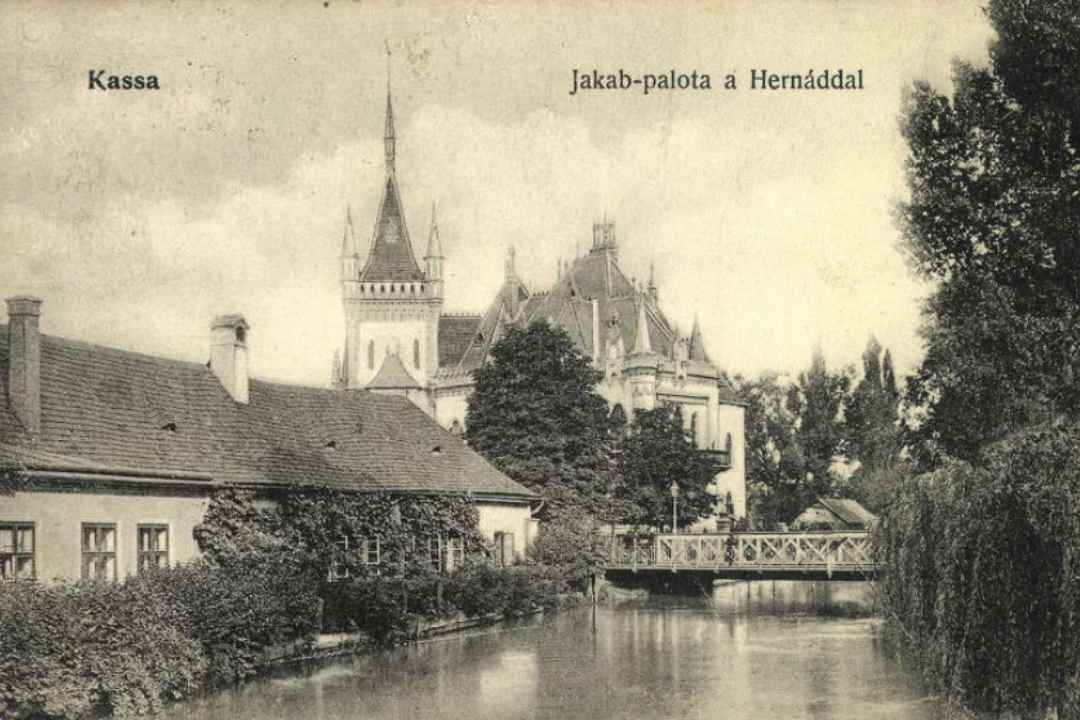
The faces of Košice have been changing over the decades and centuries, and the past glory of the Mill Ditch or the embankment has been enjoyed by locals since the 18th century. In former centuries, the visual aspect of the city was completed by the prominent presence of water in the city and the river meanders or dead-ends - several city mills took care of its continuous flow. In every season of the year, the inhabitants of Košice enjoyed a variety of water-related activities in the city, whether it was boating at Jakub's Palace or ice-skating. In 1780, a rare mineral spring was even discovered here thanks to the millrace, which led to the construction of the town's spa.
According to many local patriots, the Mill Dam suffered a sad fate in 1968, when the city management decided to pump out the water and invest in the construction of a four-lane road to connect the northern and southern parts of the city. The return of water to the city is still nostalgically remembered by many, but only the future will tell if the Millrace or other water alternatives in the city centre can be restored.
 Source
Read other parts of the series about the history and attractions in the city titled From the ancient history of Košice in the section #NaMapke and plan your trip soon!