

From the ancient history of Košice: Notable women of the city – Part 1
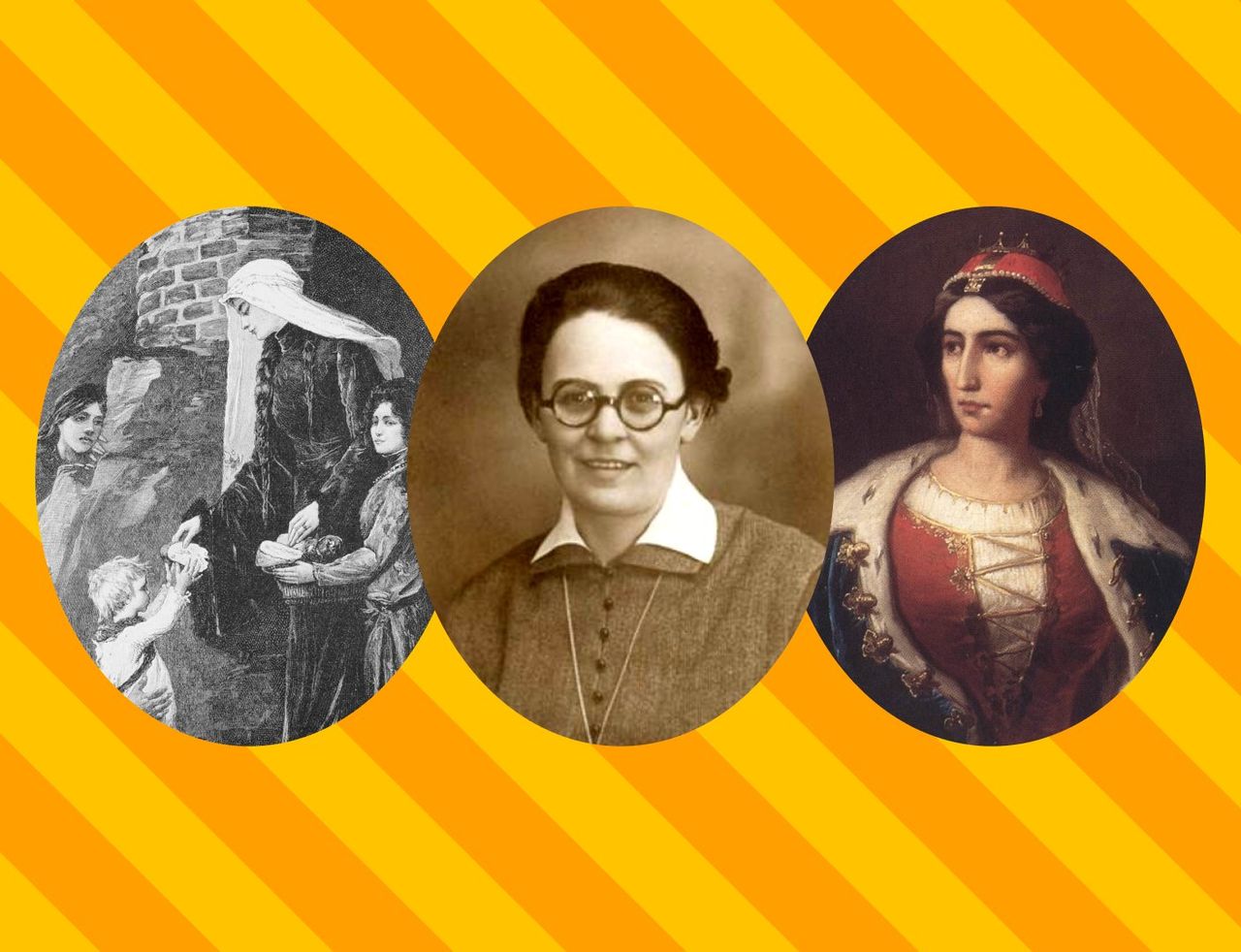
Discover the historic sights in the beautiful Old Town of Košice during the colourful autumn – if you’re looking for reasons to go for a walk in the cooler weather, set off on a tour of local history with the tips in the following article. The series ‘From the Ancient History of Košice’ regularly brings you unique places that you shouldn’t miss on your next visit to this lively city centre.
Sára Salkaházi
The famous surname associated with the town’s Main Street belongs to a blessed Slovak nun and writer of German-Hungarian origin, who was born in Košice at the end of the 19th century. Her birthplace was none other than the most significant historic Hotel Schalkház, which today forms part of a world-renowned hotel chain.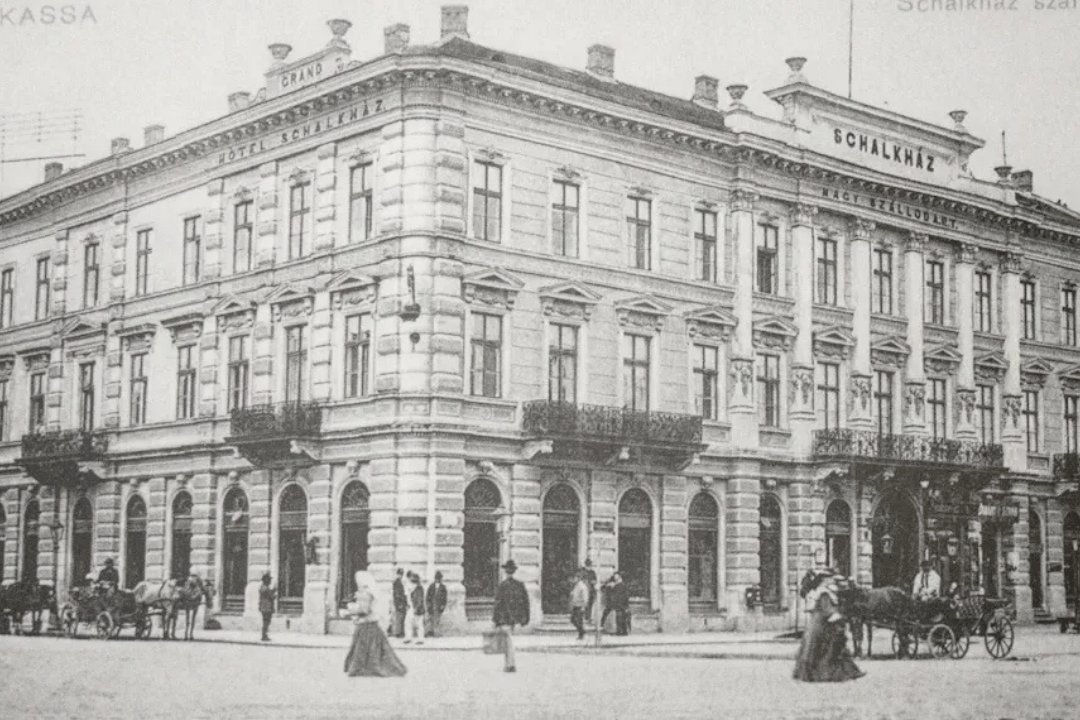 Source: V SkratKE
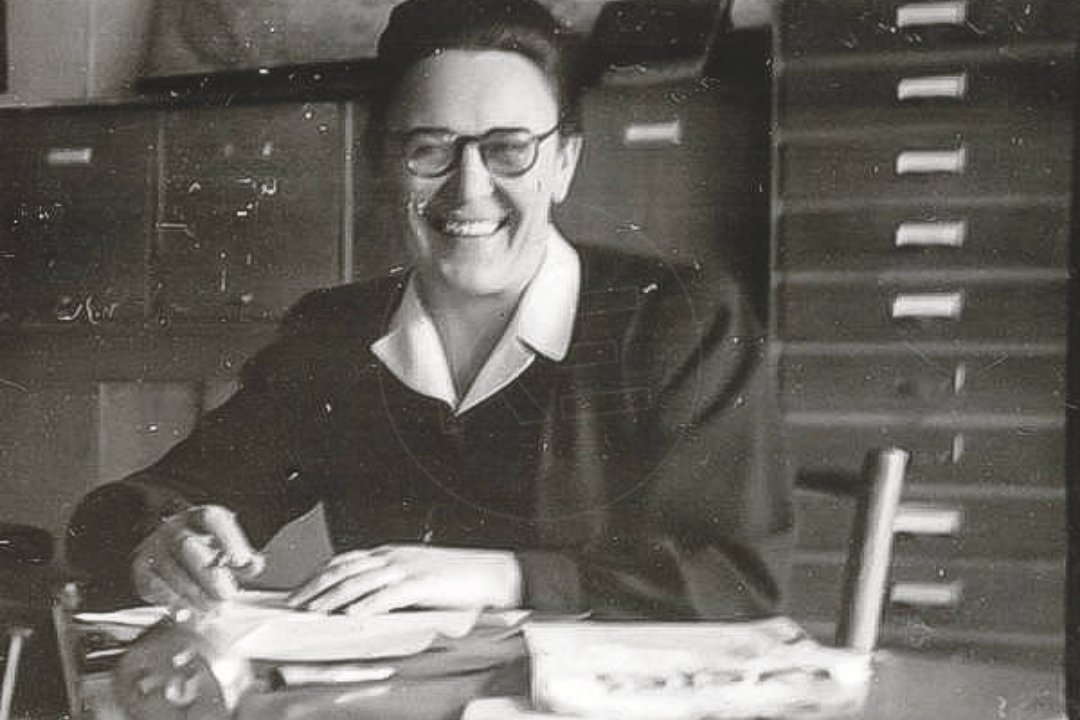
Sára, from a wealthy family, was raised under her mother’s care following the early death of her father; after studying at a teacher-training college, she refused to sign an oath of allegiance to the new republic following the establishment of the first Czechoslovakia. As a bookbinder, she gained an insight into the conditions and life of the working class and later became a writer and journalist.
Source: Košice Online
Her life took a new direction through the Community of Social Sisters, a modern religious order dedicated to helping poor women and children. From the time she entered the novitiate in 1929, she worked alternately in Komárno and Košice, helping to teach poor children and editing the magazine *Katolícka žena*. Following the rise of Nazi ideology, she changed her name to Salkaházi and worked tirelessly to protect and shelter persecuted Jews and to arrange false documents, thanks to which her religious order in Budapest managed to save as many as 1,000 people. Following a betrayal on 27 December 1944, their courtyard was surrounded by the fascist Arrow Cross group, and the group was dragged to the Petőfi Bridge, where, along with other detainees, she was executed and thrown into the icy Danube.
Stop off at the birthplace of this magnificent figure from the history of Košice’s women, in front of the famous hotel at the southern end of Hlavná Street, or come and see the breathtaking story of her life in a drama performance Košice National Theatre at the Malá scéna theatre.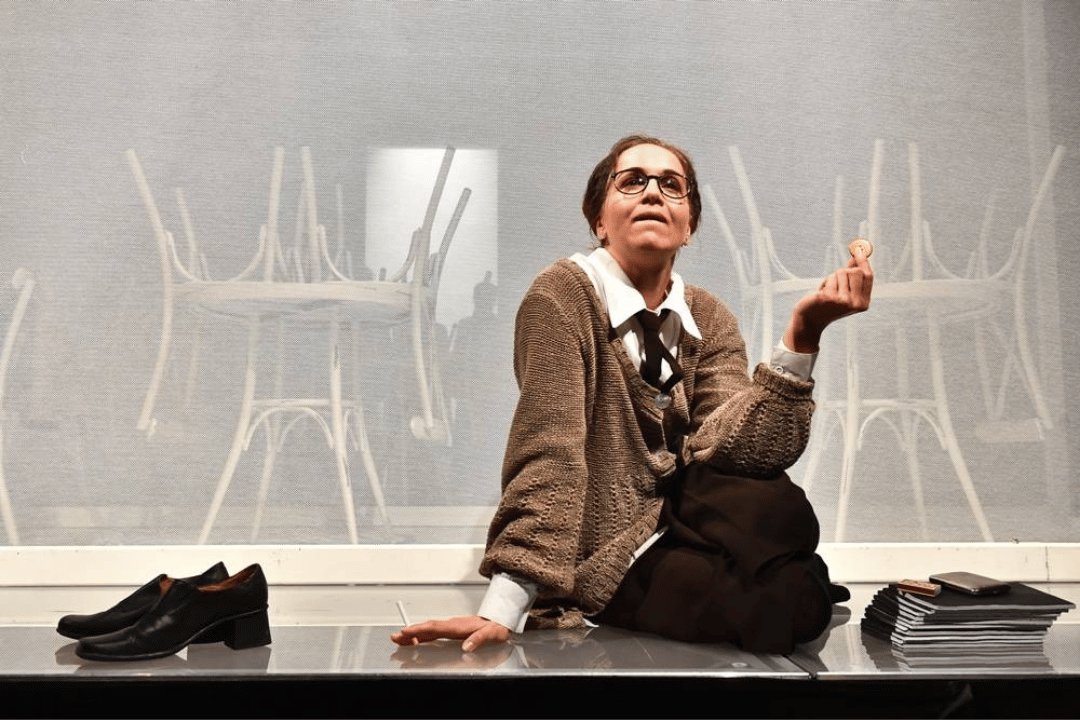 Source: Košice National Theatre
Helena Zrínska
A prominent figure of Croatian origin who has left an indelible mark on the town’s history as one of the most significant women in Central European history. Through her marriage in 1666 to Francis I Rákóczi, Prince of Transylvania, she became forever linked to the history of eastern Slovakia as the mother of Francis II Rákóczi, a leading figure in the anti-Habsburg uprisings.

Source: www.ondrejkovics-sandor.com
Following her second marriage to Imrich Tököli, she became an outspoken opponent of the imperial court and later demonstrated immense courage in personally defending the castle at Mukachevo, which she valiantly held against overwhelming odds for a full three years. After the fall of the castle, her children were taken from her and Francis II Rákóczi was sent to Jindřichův Hradec for re-education. Helena Zrínska lived with Imrich Tököli in a house in exile in Turkey until her death. She died just a few months before her son, František II Rákoci, launched the greatest anti-Habsburg uprising in history.
 Source: www.ondrejkovics-sandor.com
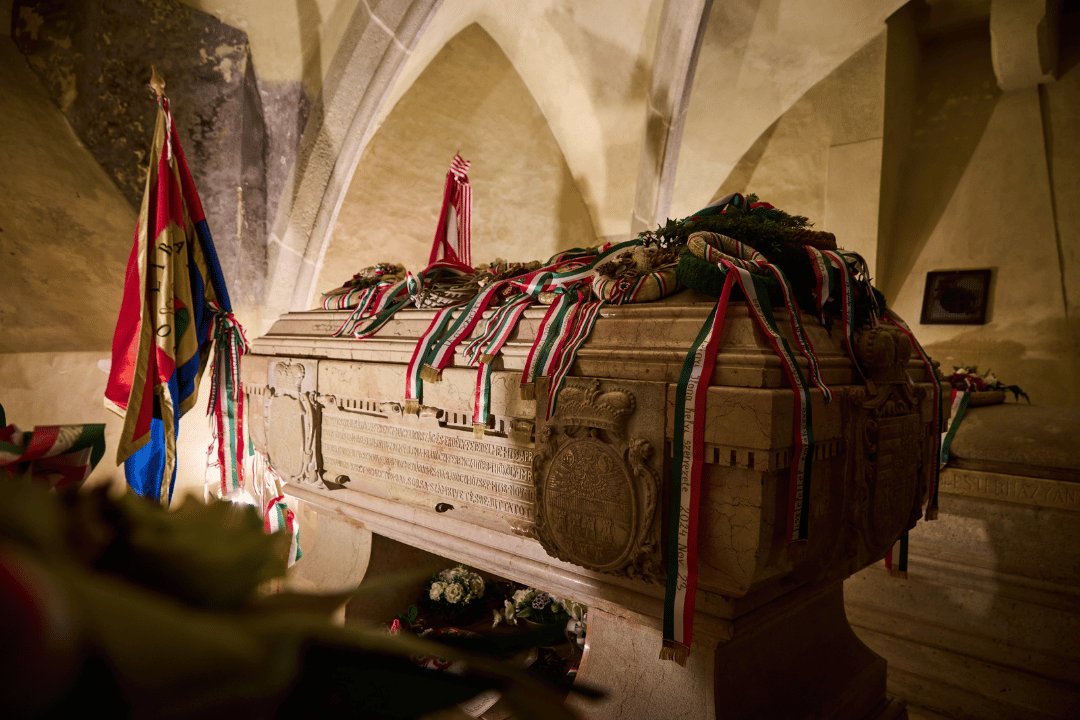
Pay tribute to the memory of the bravest woman in Europe, as she was described by the Sun King himself, Louis XIV. Since her ceremonial transfer in 1906, her remains have been laid to rest in a sarcophagus in the northern crypt of St Elizabeth’s Cathedral. If you’re wondering what life might have been like in a house of exile, don’t forget to visit the replica of the Turkish refuge of Francis II Rákóczi, not far from the lively promenade – Košice’s Rodošto in Košice, with its fascinating exhibition, is open all year round to tourists and enthusiastic local patriots alike.
Elizabeth of Hungary
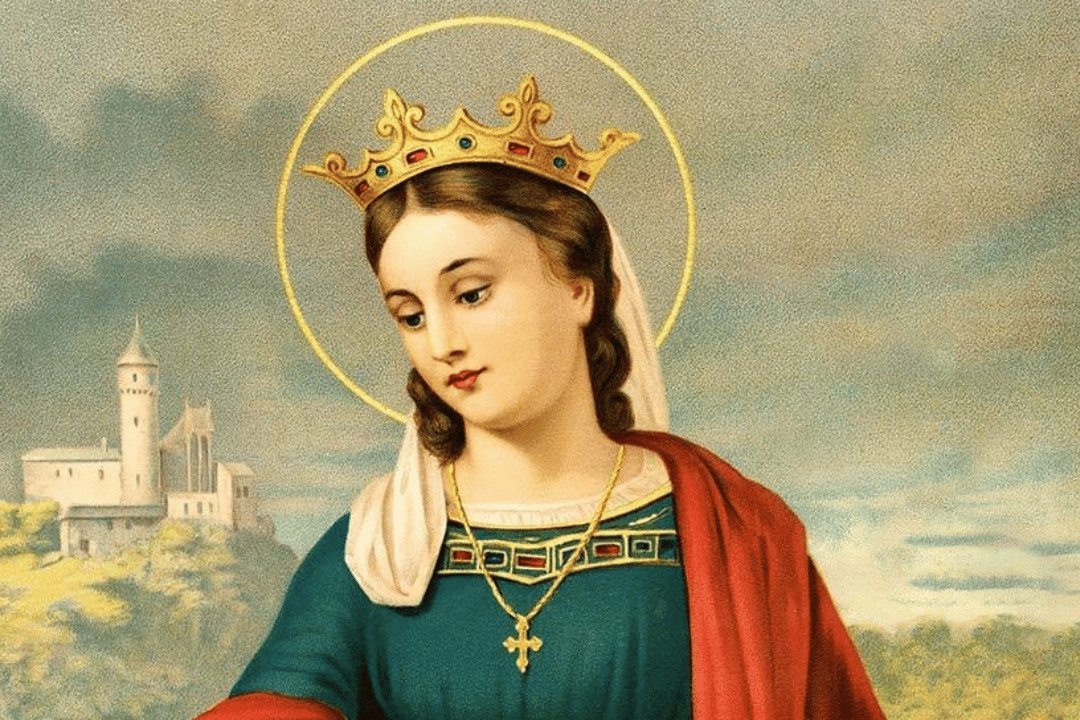
Join us on a journey back in time to the 13th century and discover the official patron saint of the city of Košice, Saint Elizabeth of Hungary, also known as Saint Elizabeth of Thuringia. She is the patron saint of the largest cathedral in Slovakia, the St Elizabeth’s Cathedral, was born in 1207 as the daughter of King Andrew II of Hungary and Queen Gertrude of Merania. She was betrothed at the age of four and, at the age of fourteen, married Landgrave Louis IV of Thuringia in Wartburg, Germany.
Source: Sisters of the Holy Cross
From a very young age, Elizabeth did not identify with the lavish lifestyle at court and rejected wealth and luxury, whilst ordinary subjects starved beyond the gates. Her charitable work for the poor is linked to a legend involving roses, which became an iconic symbol of her character.
Whilst secretly carrying bread in her apron to the hungry, she was stopped; when she unfolded her apron, the bread inside had turned into roses. Later, following the tragic death of her beloved husband, she and her three young children were expelled from the estate for squandering the family’s wealth; she subsequently settled in the town of Marburg and founded a hospital for the sick and lepers. At the age of 24, physically exhausted and having led a life of austerity, she fell ill and died. Four years after her death, in 1235, Pope Gregory IX declared her a saint.
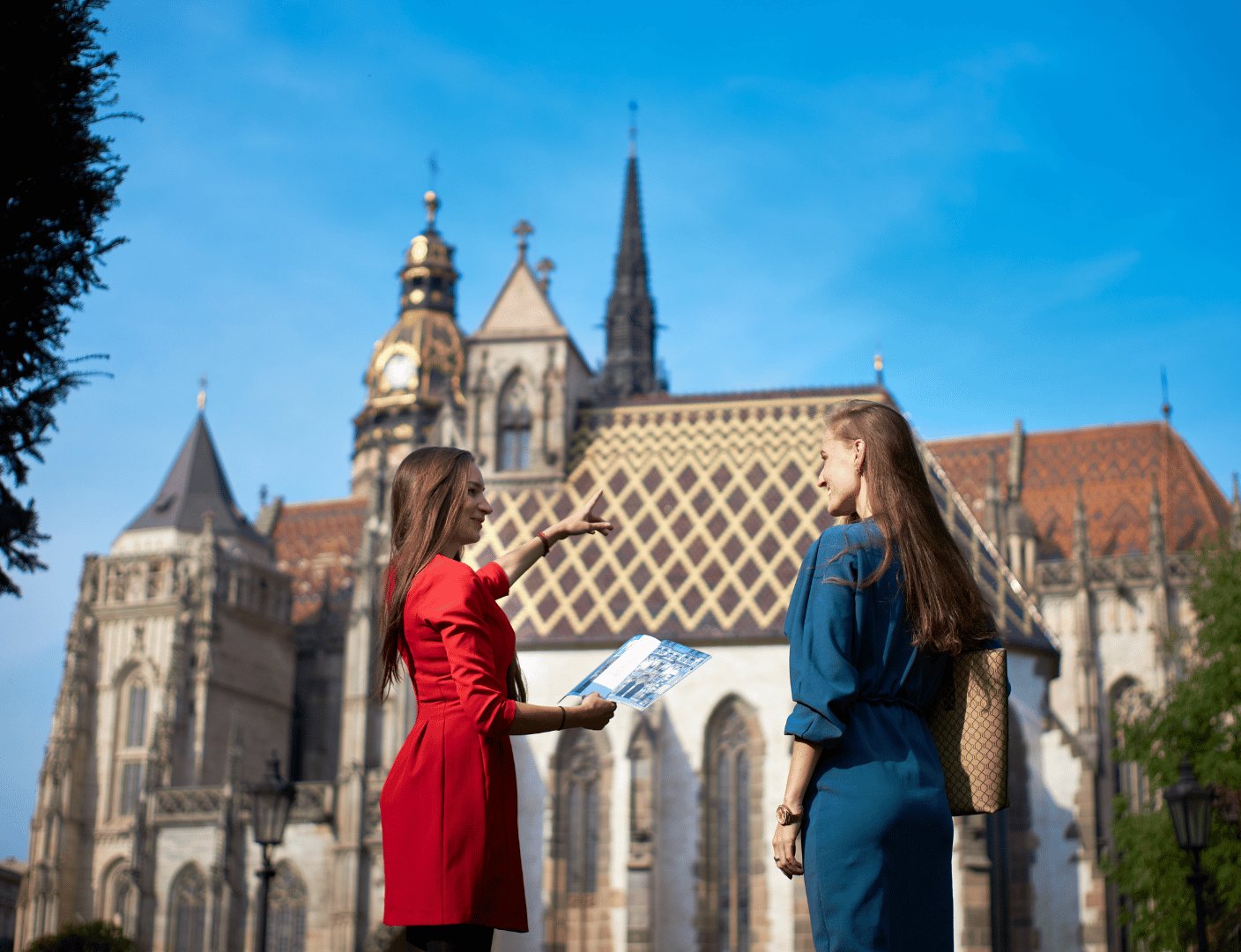
In Košice, we honour the memory of Elizabeth of Hungary particularly in the Metropolitan Cathedral, which was built shortly after her canonisation in the 14th century. Admire the 48 Gothic paintings on the High Altar – a unique work in the world, the Altar of Saint Elizabeth. The central cycle, comprising 12 paintings, depicts scenes from her remarkable life in great detail and with great artistry. Look out for the depiction of the miracle of the roses or her tireless care for the sick. After touring St Elizabeth’s Cathedral, take a leisurely stroll down Alžbetina Street, named after this saint.
Although it may seem strange that Košice has become forever associated with the veneration of a woman who never set foot in the medieval town, the dedication to Elizabeth of Hungary has become a symbol of prestige and protection – particularly following the construction of the cathedral after the Košice Eucharistic miracle. So head out onto the streets and find out more about other female figures from Košice and their significant contributions to the city. More information is available on the website in the section History and Monuments.