

Mysterious and pilgrimage sites in eastern Slovakia: 8 tips for day trips from Košice
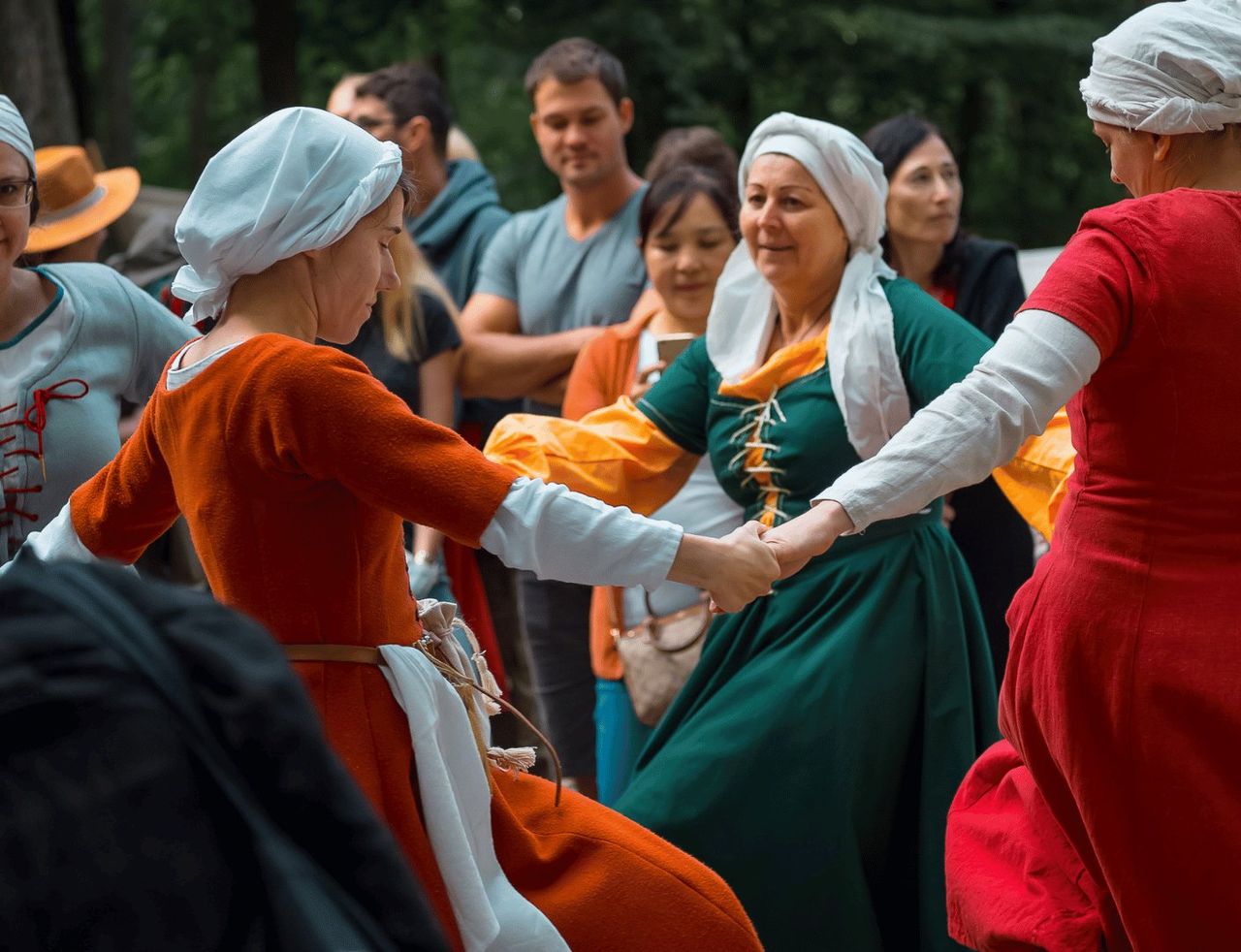
Let yourself be surprised by the unique beauty of the region and head to the metropolis of the east – Košice is a great starting point for exploring uncharted places. Take a trip – just an hour away by train, car or bus – to the most beautiful spots in eastern Slovakia and discover more historical facts, practical tips for before and during your trip, and mythical legends. After your trip, return to your base for a hearty dinner at one of the many renowned pubs and restaurants along Košice’s promenade.
A journey into the Dark Ages: a visit to the prison
Start your historical journey right in the city centre and discover the lesser-known history of Košice, full of dark medieval tales! Just a few minutes from the Gothic St Elizabeth’s Cathedral, you can immerse yourself in the fascinating Mikluš Prison and the Executioner’s House on the street of the same name, Pri Miklušovej väznici. Two interconnected Gothic houses from the 13th and 14th centuries offer a chilling tour of the site, featuring an underground torture chamber and a dungeon with cramped cells and solitary confinement rooms.
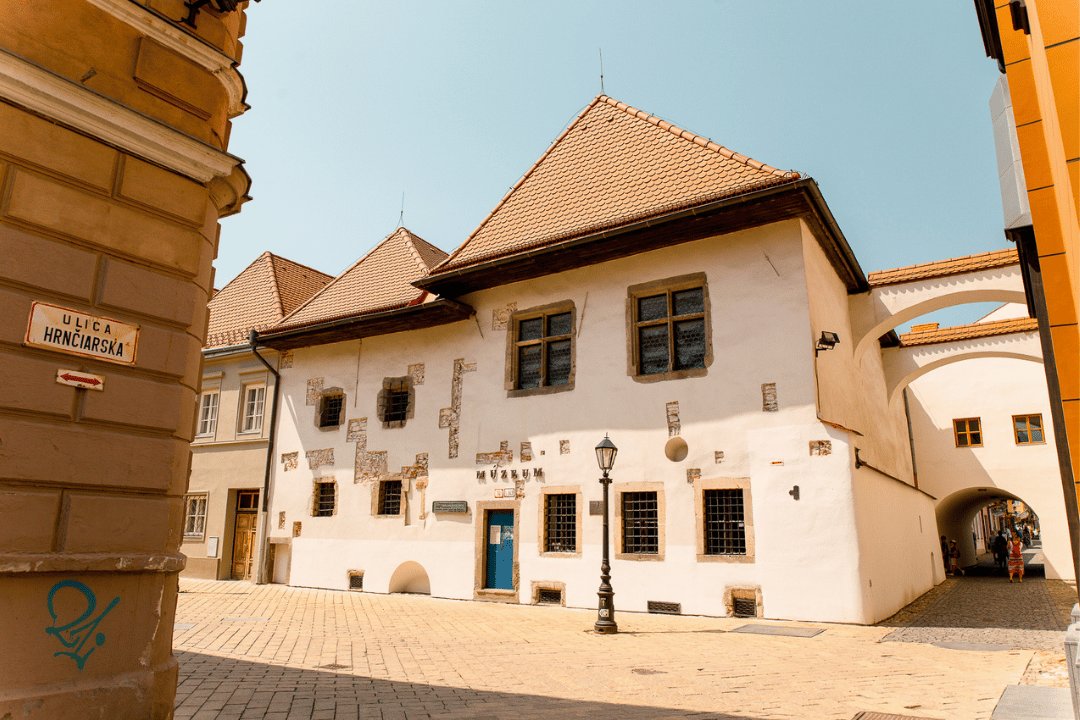
These prison cells, dating back more than three centuries, bear witness to the tragic fate of former convicts and form part of an exhibition on criminal law and traditional crafts at the East Slovak Museum. Find out more about the local legend of Mikluš of Košice, a supposedly sadistic executioner from the 18th century. To what extent is the story of Mikluš linked to the city’s actual history? Let the answers surprise you during a guided tour of the prison.
A Bronze Age sacrificial pit
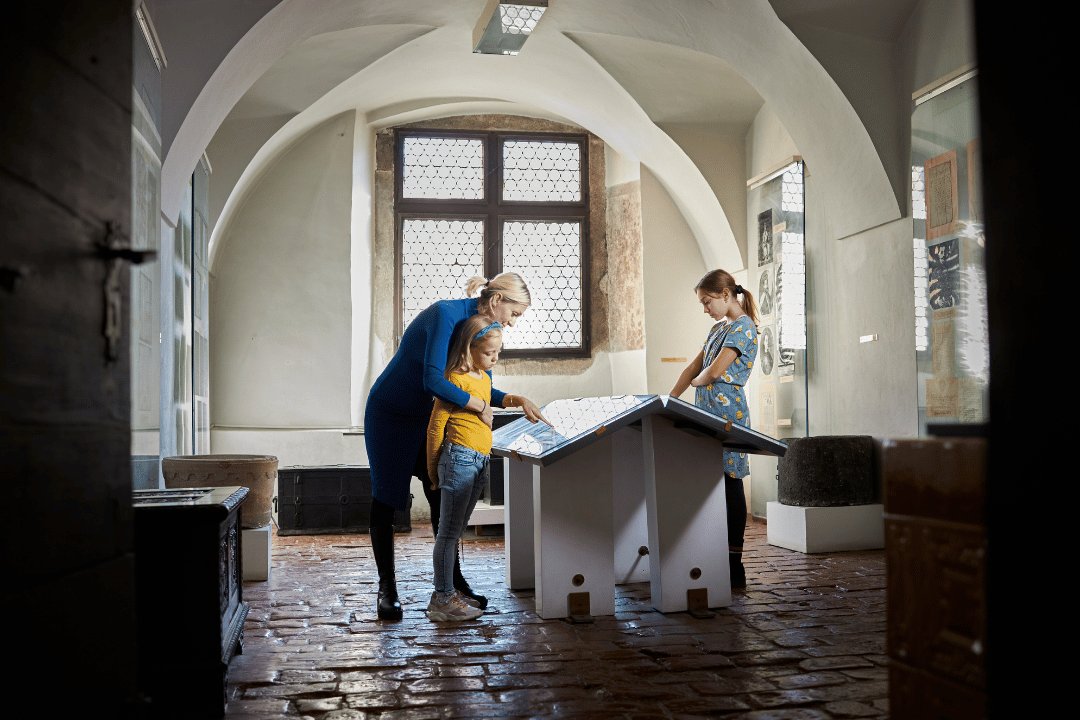
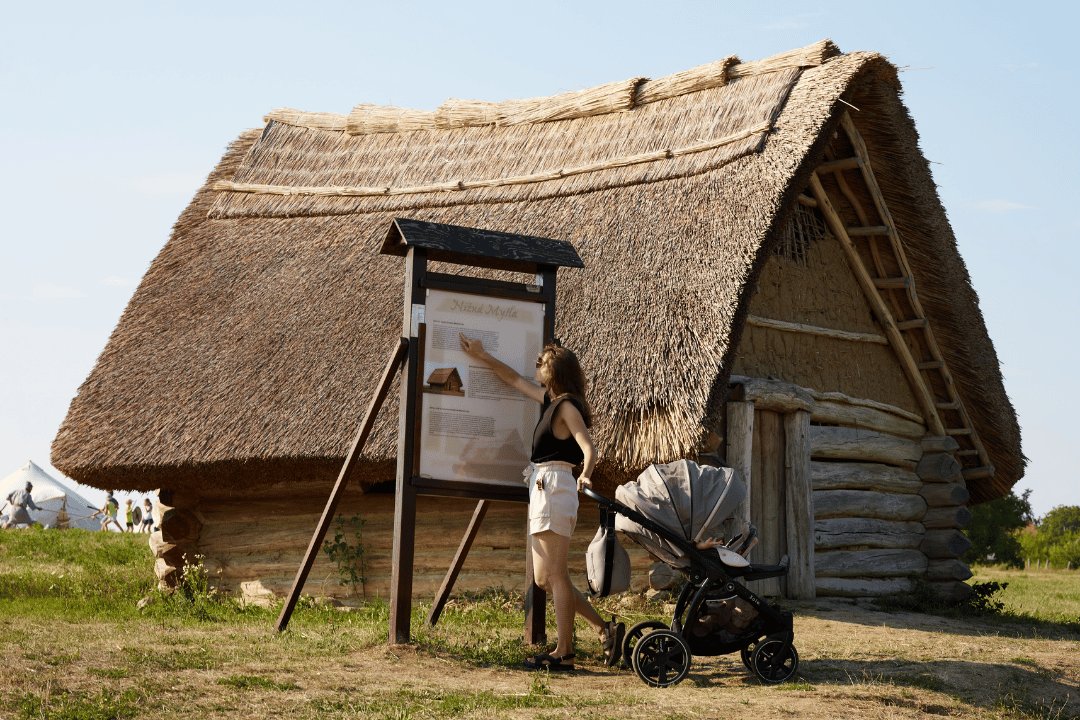
Visit the Slovak Mycenae, which offers a rich insight into life and society during the Bronze Age, just 15 kilometres from Košice! The Nižná Myšľa Archaeological Open-Air Museum , in collaboration with the Myšľa Local History Museum, showcases significant finds dating back more than three thousand years – it’s almost unbelievable, but we’re talking about ritual bread dating back over 3,700 years, which has been preserved in a carbonised state thanks to the special conditions underground.
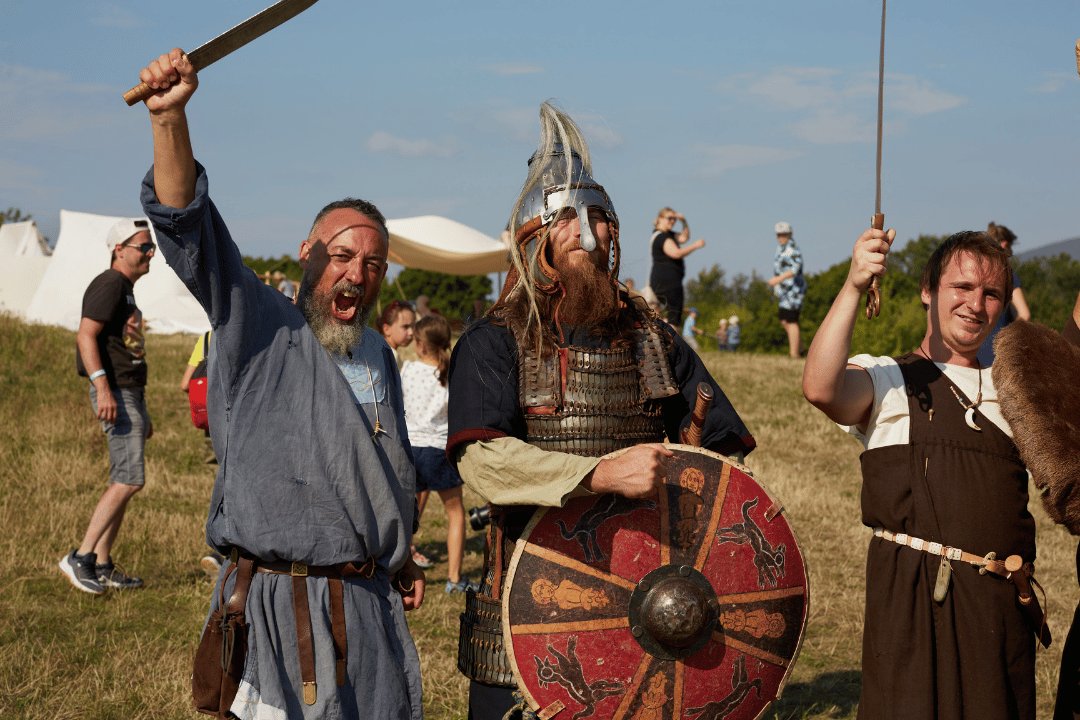
The archaeological open-air museum itself stands on the Várhegy (Castle Hill) as a living open-air museum with faithful replicas of prehistoric clay dwellings with thatched roofs, and offers guided tours providing insights into the everyday life of our ancestors. One of the most chilling discoveries in Central Europe is a sacrificial pit in which the skeletons of four young women were found – it likely served as a place of worship for sacrificial rituals. The museum complex is usually open during the season from May to October; it is advisable to book in advance by telephone – contact details can be found on the official website.
The gorge’s natural wonders for climbers
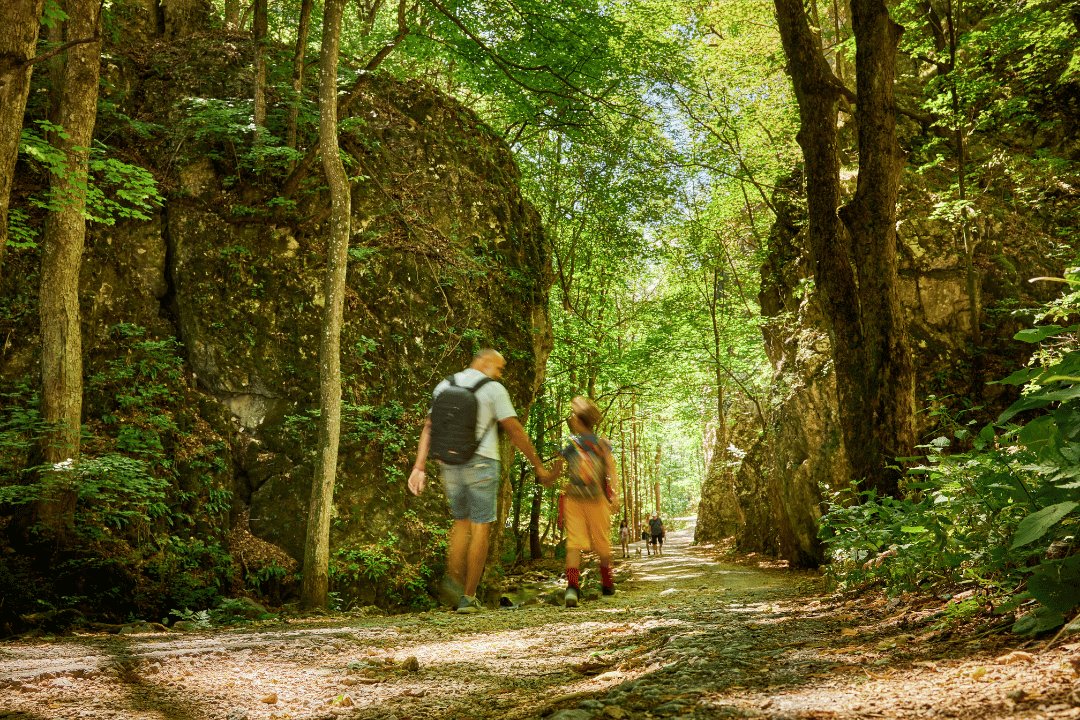
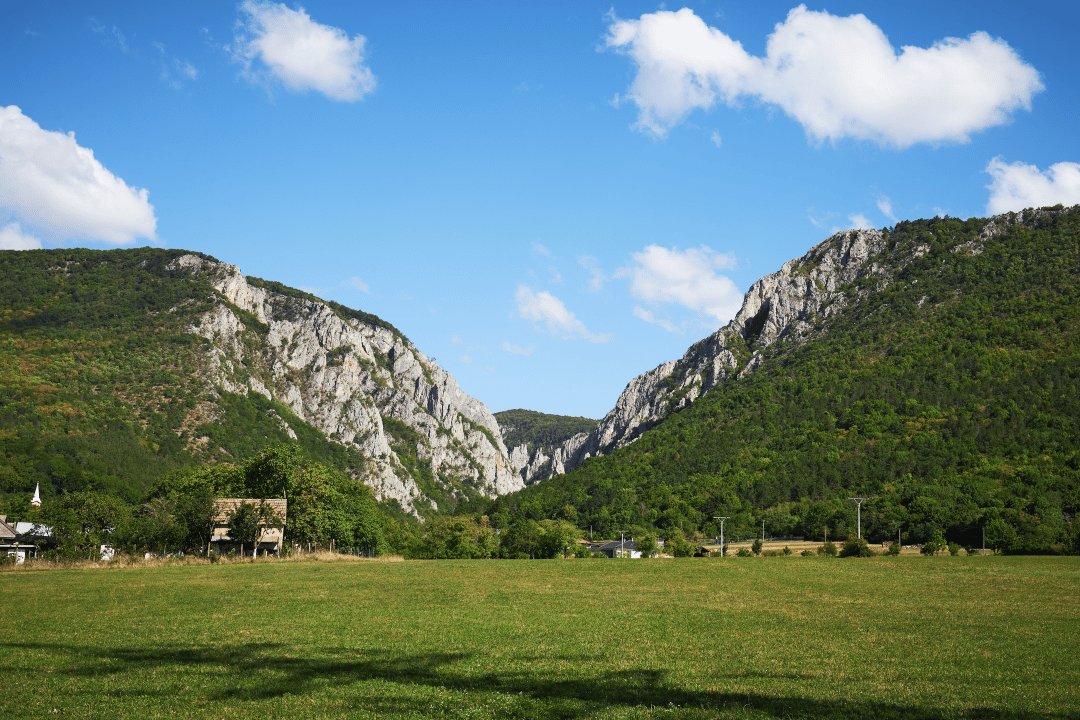
Head into the deep forests and up to the heights of Slovakia’s deepest canyon, the Zádielska Gorge, in the eastern part of the Slovak Karst National Park. A beautiful, easy walk with a very gentle incline leads through the bottom of the gorge up to the Zádielska Chalet. For those looking for a longer hike, we recommend the circular nature trail, stretching up to 9 kilometres, towards the vast Zádielska Plain with breathtaking views of the gorge and the Turnianska Basin.
The gorge is also a favourite spot (not only) for climbers from Košice – its enormous rock spire, known as Cukrová homoľa and standing 105 metres high, is regularly scaled by climbers from the wider region and across Slovakia on day trips. When you visit, do take a look at its peaks, at least with the naked eye from a distance – this place is linked to a legend of ill-fated love between the proud Klára and a poor shepherd, who, as a token of his love, set out for the summit of the peak to pluck a silver feather grass flower. After plucking it, he lost his balance and perished in a fall from the tower’s immense height. To this day, this flower growing at the summit serves as a reminder of the courage, pride and downfall of this local tale.
The Košice Calvary for the devout
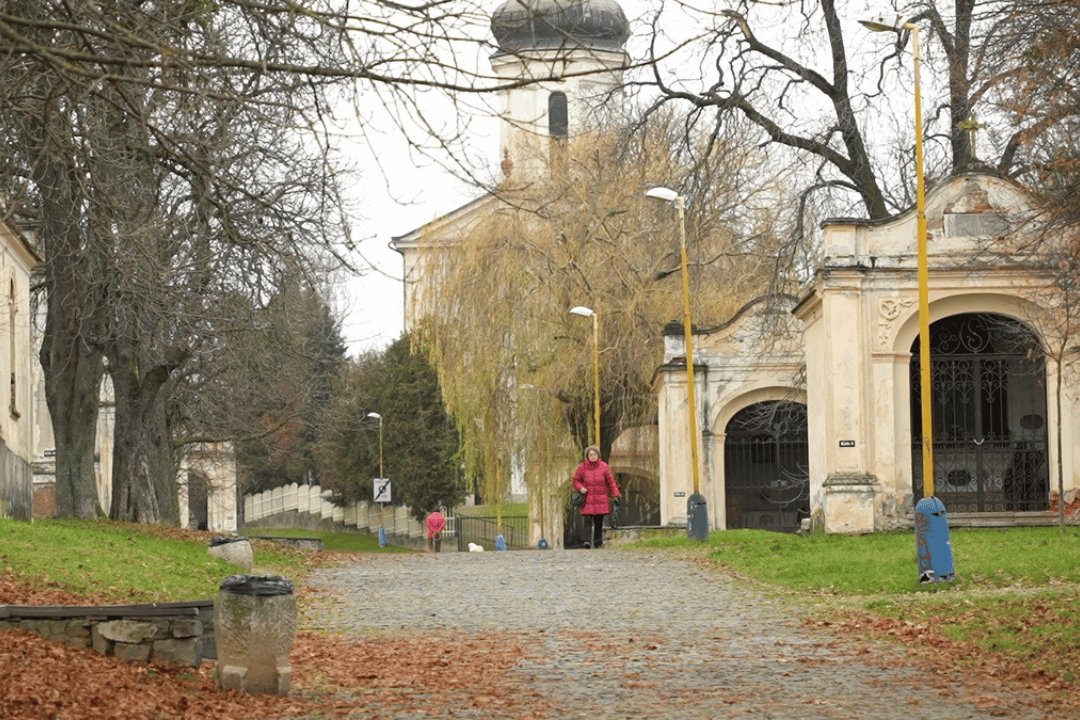
Discover the sacred sites of eastern Slovakia and take some time for quiet prayer at the Baroque-style Church of Our Lady of Sorrows, dating from the second half of the 18th century. Following the terrible plague at the start of the 18th century, the surviving inhabitants of Košice decided to erect a Plague Column in the centre of Hlavná Street – Immaculata – and an impressive Calvary with 16 asymmetrically arranged chapels leading up to the hilltop, surrounded by a peaceful woodland park in the Sever district. You can reach the Calvary by a pleasant 20-minute walk from the city centre or by public transport (tram and bus) to the ‘Amfiteáter’ and ‘Kalvária’ stops.
The Marian pilgrimage tradition in Obišovce
Set off on a trip – just an hour’s journey by train, bus or car – to a significant Marian pilgrimage site in eastern Slovakia! The village of Obišovce offers a unique combination of tourism and exploring the sacred sites of the surrounding area as part of this spiritual pilgrimage route, which has been attracting enthusiastic explorers and the faithful for hundreds of years. Thousands of pilgrims from across the country come here to take part in the solemn diocesan pilgrimage – you can stop by at any time of year for short educational and relaxing walks leading up to the castle.
 Source: Keturist
The most scenic route to the castle starts in the village of Ličartovce, from the signpost by the railway station. The 13th-century castle was built on the wooded hill of Zámčisko by the noble Abov family, but it was destroyed by extensive fires as early as the 15th century. Today, you can see the foundations of the defensive tower, the palace and the castle walls, which are up to 2.5 metres thick. There is also an interesting legend associated with the castle concerning ‘outlaw’s gold’ – it is said that on the hill opposite the castle, known as Hrunok, outlaws buried a basket full of pure gold. To this day, no one has found it, and it still awaits its discoverers.
The Little Plant Church with the Spring of Saint Ladislaus
Come and explore this beautiful sacred site, set in a unique natural environment on the Jasovská Plateau near the village of Debraď, just 30 kilometres from Košice. This magical open-air church will surprise visitors with its original design, featuring no walls or roof – this architectural structure has stood here since 2007 as a tribute to the historical legend of King Ladislav.
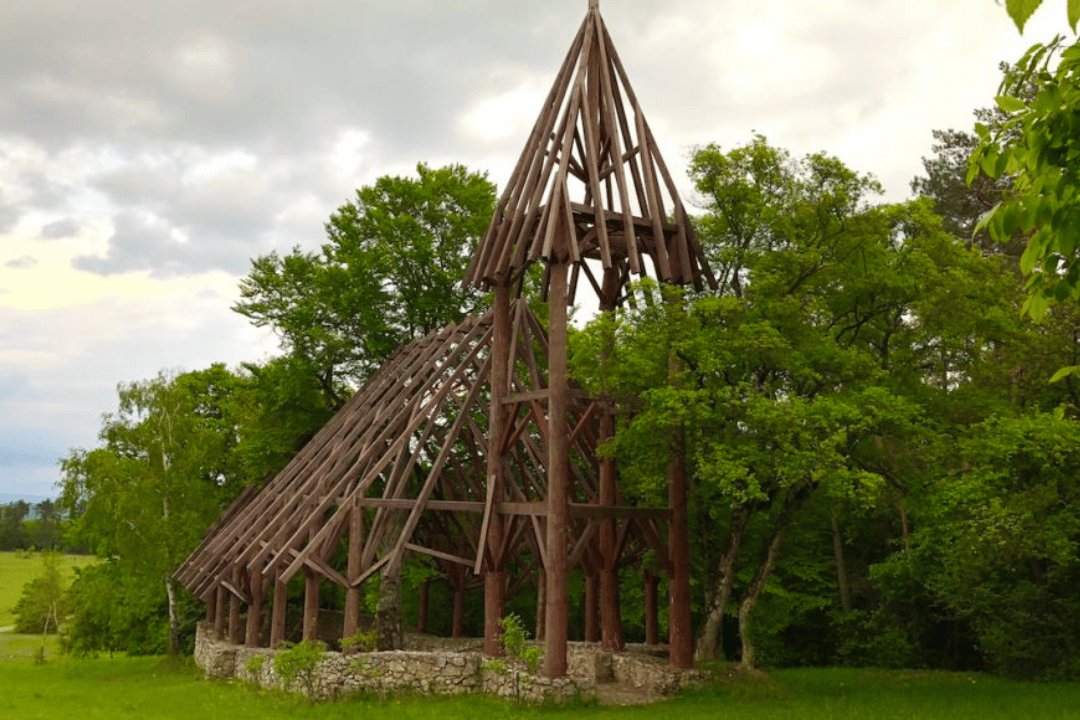 Source: Where to Go on Trips
He found himself on this parched plateau after an gruelling battle, his horses having collapsed. After his heartfelt prayer, his horse stamped its hoof on a rock, from which a spring gushed forth that has never dried up to this day, not even during the height of the summer heat. Take a drink from this magical and supposedly healing spring and admire the climbing ivy and wild vines of this ‘plant church’ with its unmistakable atmosphere, set amidst the picturesque countryside of the Slovak Karst National Park.
The famous Košice Castle overlooking the town
What sort of trip to explore medieval monuments would it be without a visit to the medieval fortress on Hradová Hill, at an altitude of 466 metres above sea level? This mysterious archaeological site remains one of the most visited destinations in the area around the town to this day.
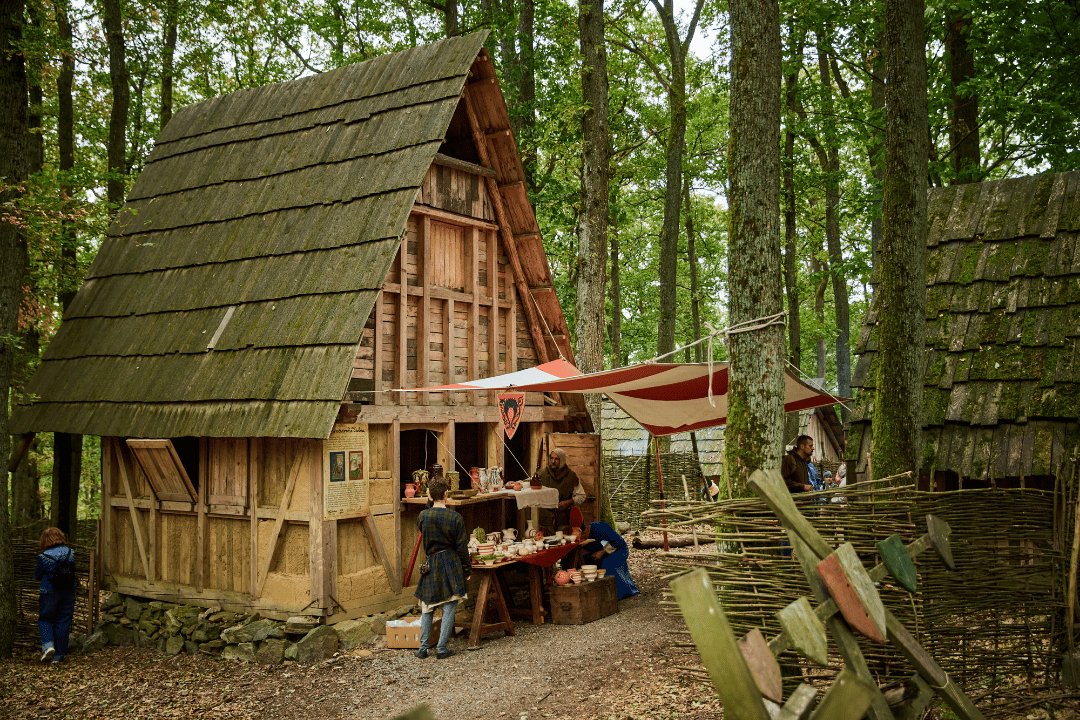
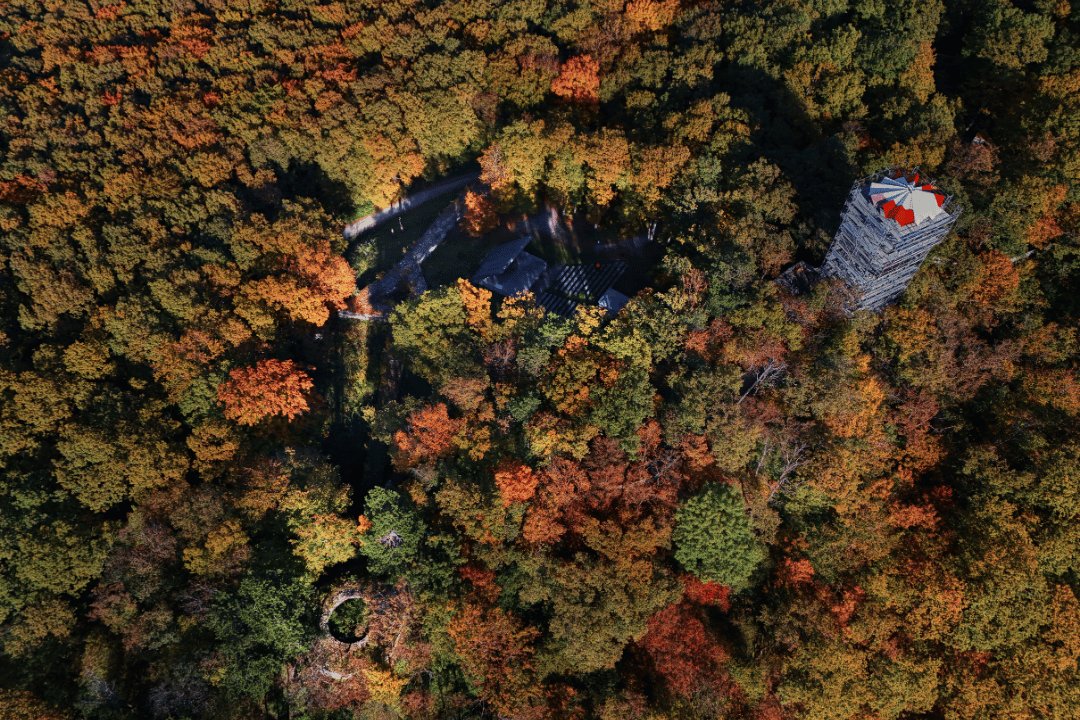
The grounds of of Košice Castle , covering an area of up to 6.5 hectares, comprises a triangular tower, a round bastion, an amphitheatre, and a modern, recently renovated Hradová Viewing Tower and a reconstructed medieval village with a blacksmith’s forge, a replica tiled stove, a carpenter’s workshop and a farmyard. The castle is open all year round to all visitors and can be reached by an easy walk from the car park; the route is also enhanced by nature trails.
Ruins above Slanc
Do take note of another 13th-century castle in the area – you’ll spot Slanský Castle whilst travelling by train from Košice; it boasts one of the most photographed Gothic features of any Slovak castle. As with the others, this castle is also shrouded in many legends and mysteries – the main residential and defensive tower, Nebojsa, was intended to demonstrate the strength of the fortifications to enemies in the event of an attack.
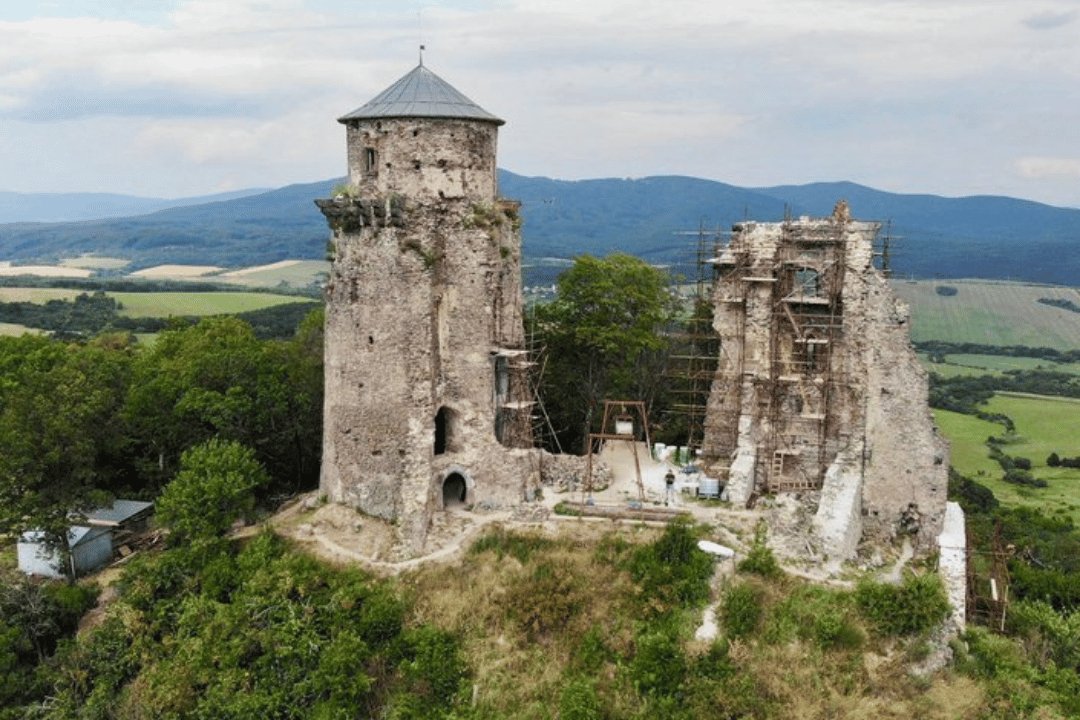
Source: TV Košice
Another legend, however, tells of a greedy lady of the castle who once ruled here; during a famine, she withheld food from her subjects and instead scattered it to the birds. As punishment, she is said to wander as a ghost amongst the castle ruins to this day. When visiting this area, be sure to take a trip to the surrounding hills of the Slanské vrchy, to the magical little lake of Izra in the middle of the forest, and to the military bunkers in Slanská Huta dating from the First Czechoslovak Republic.
Tips for day trips
Dark Košice: Mikluš Prison – Dolná brána & Košice Castle.
In the footsteps of ancient tales: Nižná Myšľa & Slanecký Castle.
A Pilgrimage and Mysterious Journey: Obišovce, the Margeciansky Tunnel & Ružín.
The beauty of the Slovak Karst: The Plant Church in Debrad, Jasov & Zádielska Valley.
What to bear in mind before your visit
Check the current opening hours and accessibility.
Do not enter the ruins outside the marked paths and do not climb on the walls.
Bring your own torch when visiting the tunnel and underground sites.
Behave appropriately at places of pilgrimage.
Treat legends as mystical tales, not as historically verified events.
Frequently Asked Questions
Which mysterious place is closest to Košice?
Definitely Košice Castle and the Bankov leisure area.
Which pilgrimage sites around Košice are the most popular?
The Way of St James is signposted directly from St Elizabeth’s Cathedral, the Chapel of the Holy Family in the Kavečany district, and Obišov Castle.
Which abandoned site near Košice has the best atmosphere?
The ruins of the Bankov mine; the abandoned swimming pool in Železníky, a popular spot for urban exploration.
Which trips are also suitable for families with children?
Košice Castle, Slanec Castle, and the Plant Church.