

Discover Košice’s famous painters on a summer outing
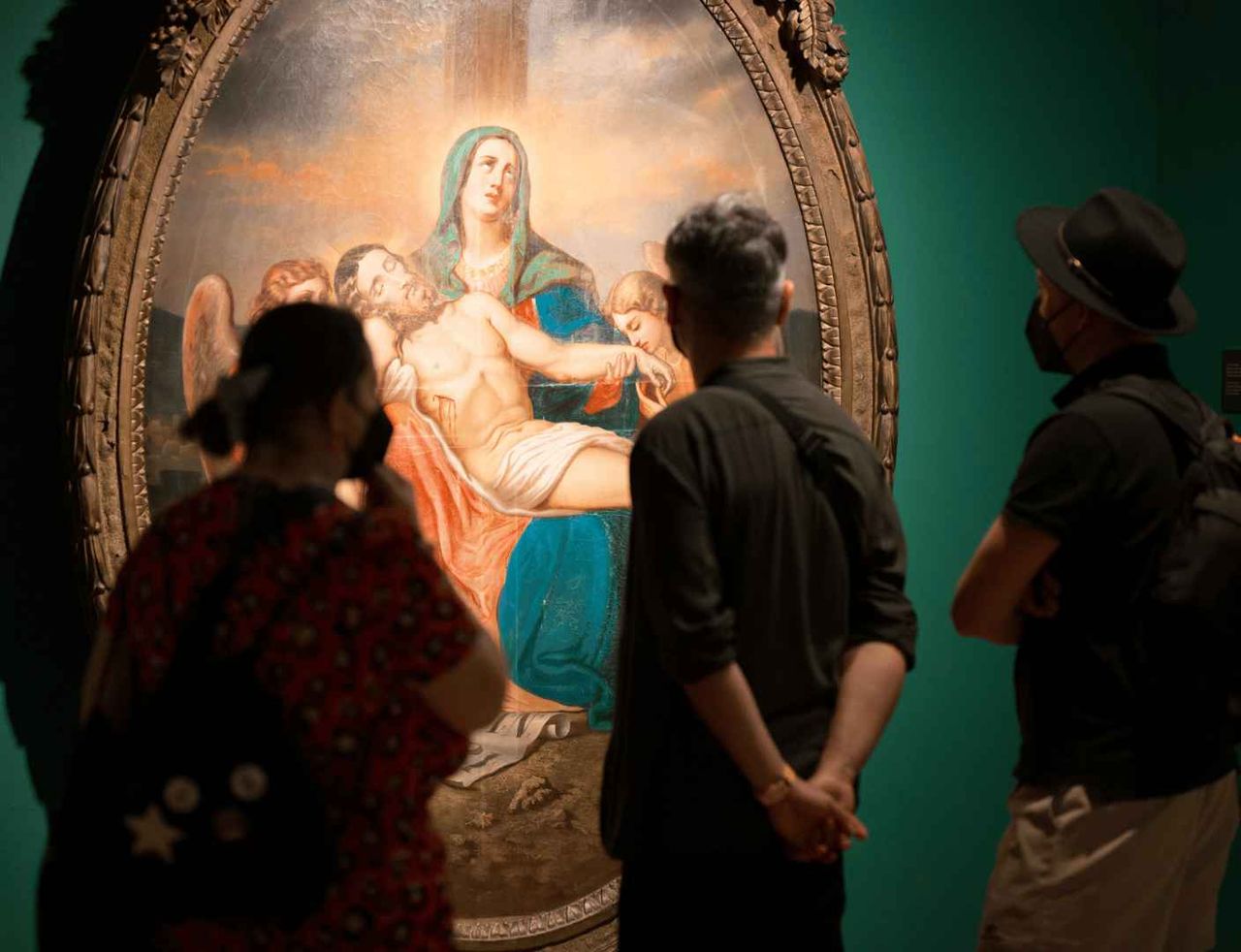
Stop off in Košice this summer and discover the city’s hidden gems and corners you haven’t explored yet. In our series ‘Historical Figures of Košice’, we bring you practical tips for visiting the city’s attractions, whether you’re a sports enthusiast, an active traveller, a lover of fascinating history, or a tireless bon vivant keen to experience an unforgettable summer to the full. Read on and stop by the following places, linked to Košice’s native sons and daughters, to soak up a bit of the authentic atmosphere.
Paintings and a visit to galleries in Košice
Immerse yourself in the world of art at the many galleries open all year round in the heart of the historic conservation area, and discover countless works worthy of your attention. Right on Hlavná Street, we recommend a visit to the legendary East Slovak Gallery, with its two venues, which showcases rich collections of works by local artists and other Slovak artists.
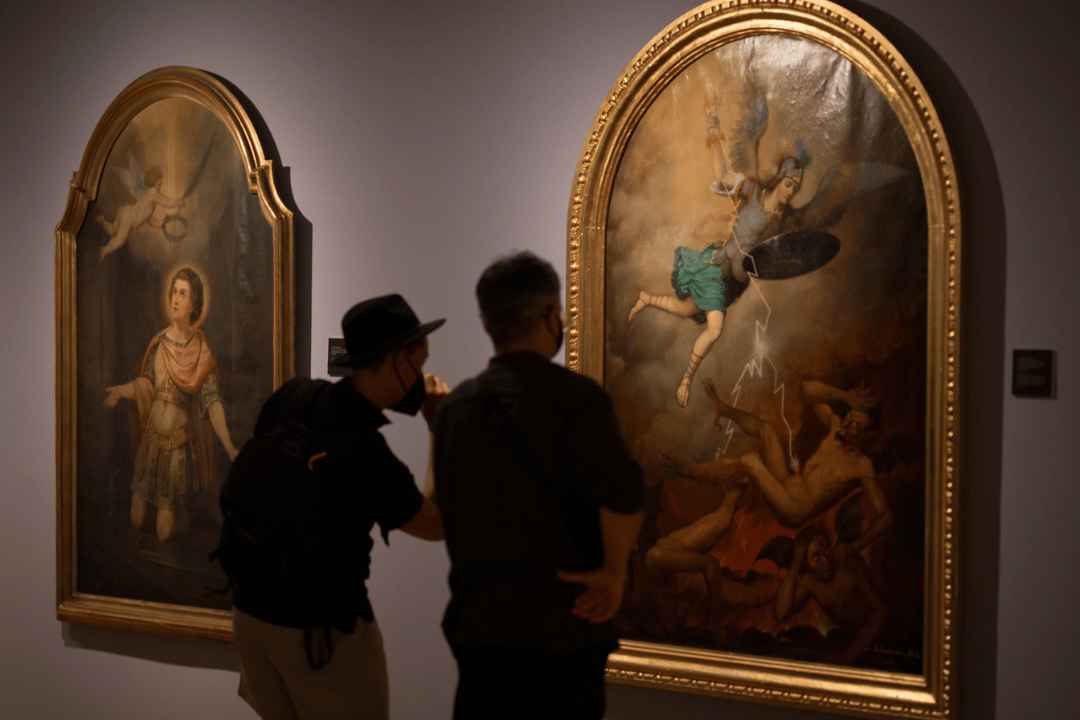
Have you heard of Vojtech Klimkovič, a native of Košice? This prominent painter and illustrator devoted his work to sacred art and altarpieces, which can also be found in nearby villages close to Košice, such as Košické Hámre and Smolník. Furthermore, Klimkovič, together with his brothers, founded the Upper Hungarian Museum Society, whose headquarters are now known as the the East Slovak Museum in Košice, and served as its director from 1876 to 1885.
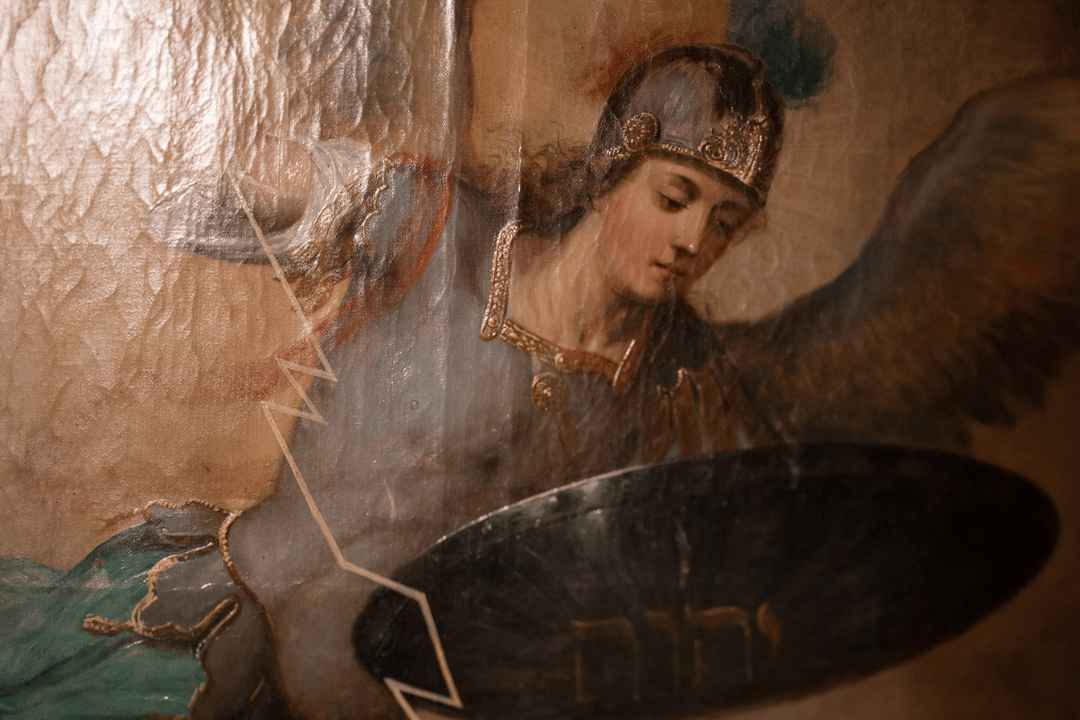
Set out to explore the museum’s impressive exhibitions or the street named after this famous painter from Košice in the KVP housing estate. Also, don’t miss the chance to examine in detail the drawing *View of Košice* by Vojtech Klimkovič at the the East Slovak Gallery.
In the footsteps of Jewish drawings in a well-preserved synagogue
Follow in the footsteps of Klimkovič’s legacy and learn about one of his pupils from the Premonstratensian Grammar School, the prominent painter Leopold Horowitz from Rozhanovce, near Košice, where a large Jewish community lived in the second half of the 19th century. After studying under Klimkovič, the artist of Jewish origin continued his travels to Vienna, Paris and Warsaw, where, thanks to his talent, he found himself among the higher echelons of aristocratic society.
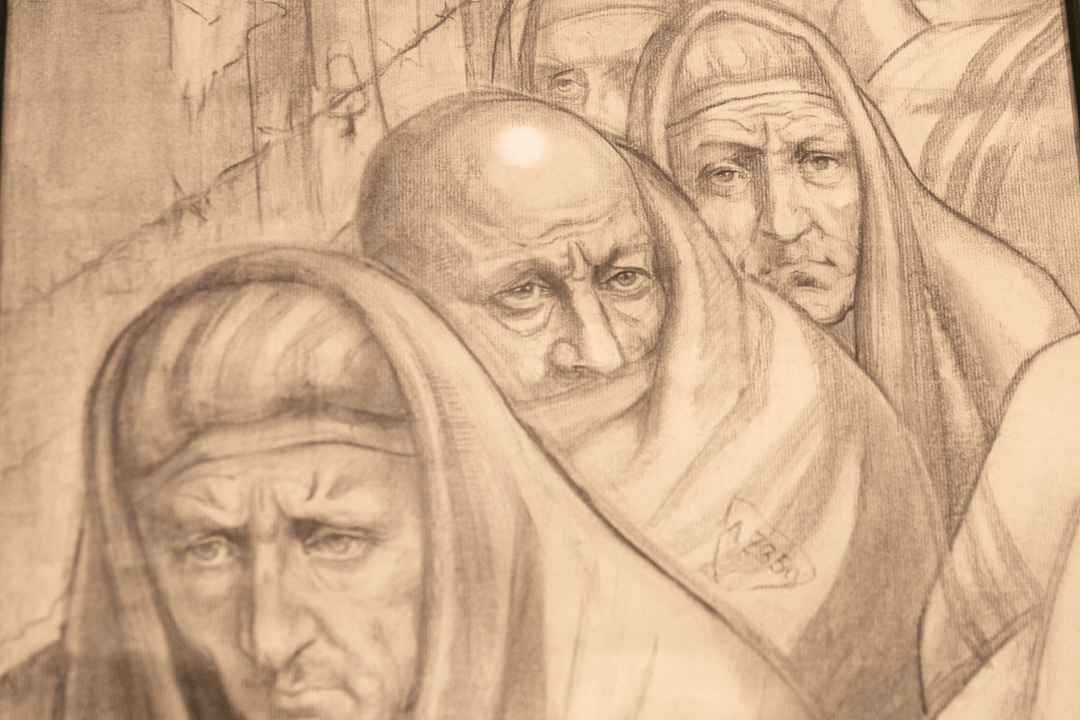
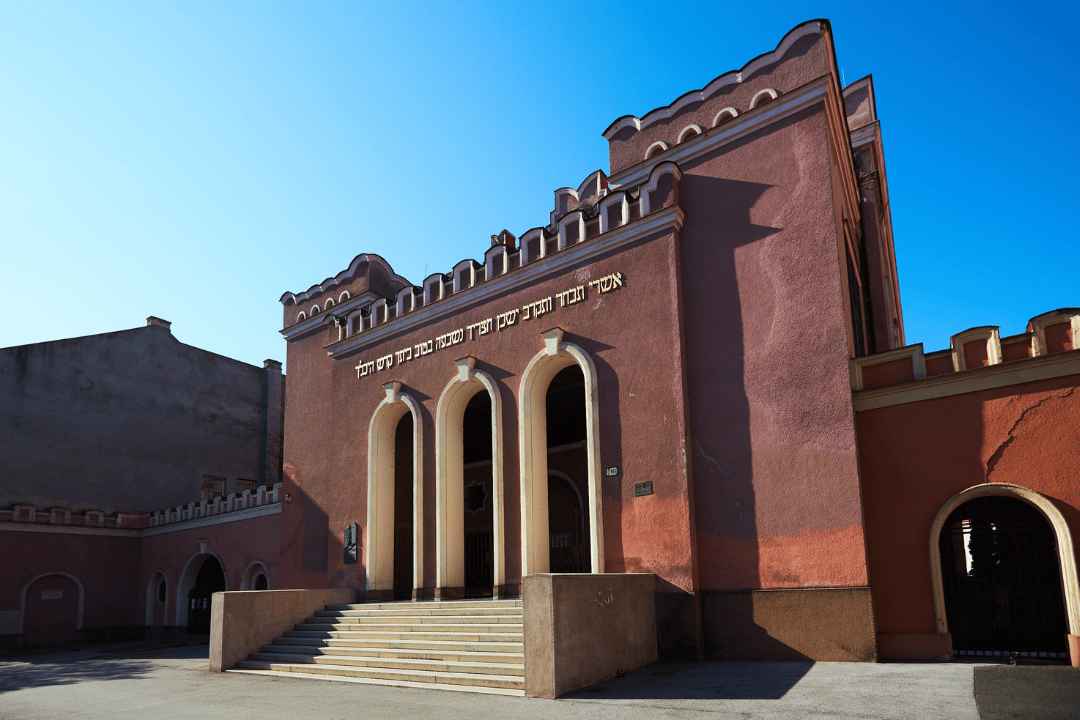
Horowitz’s portraits were commissioned by figures such as Johann Strauss the Younger, the writer Mór Jókai, the politician Koloman Tisza, and even the Austro-Hungarian Emperor Franz Joseph I himself , as well as his beloved wife, Empress Elisabeth, known as Sissi.
His works, mostly portraits, also depict the lives of Jewish citizens in a precise academic style, inspired initially by Rembrandt and later by Van Dyck. Horowitz is best known for works such as *The Final Days of the Destruction of Jerusalem*, *The Firstborn* and several portraits of the Austro-Hungarian Emperor Franz Joseph I.
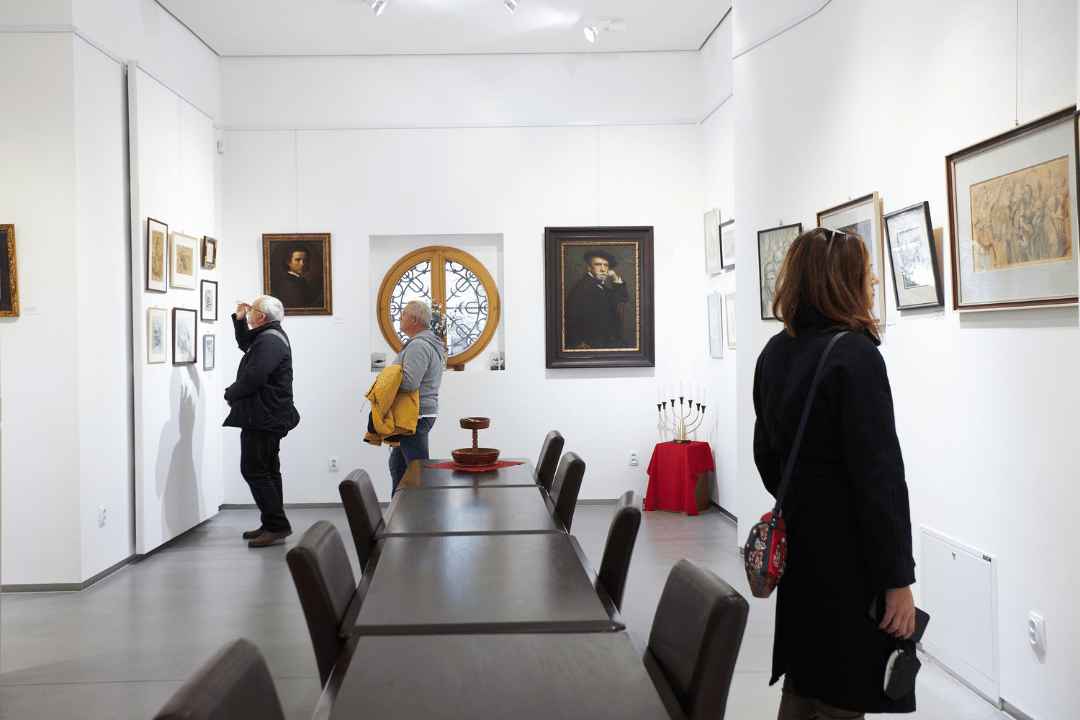
Although many significant works from Horowitz’s oeuvre are housed in the Slovak National Gallery, works with Jewish themes can also be viewed at the Ľudovít Feld Gallery on the grounds of the Orthodox synagogue on Puškinova Street. His famous self-portrait, with its searching gaze, can be found hanging on the walls of the East Slovak Gallery.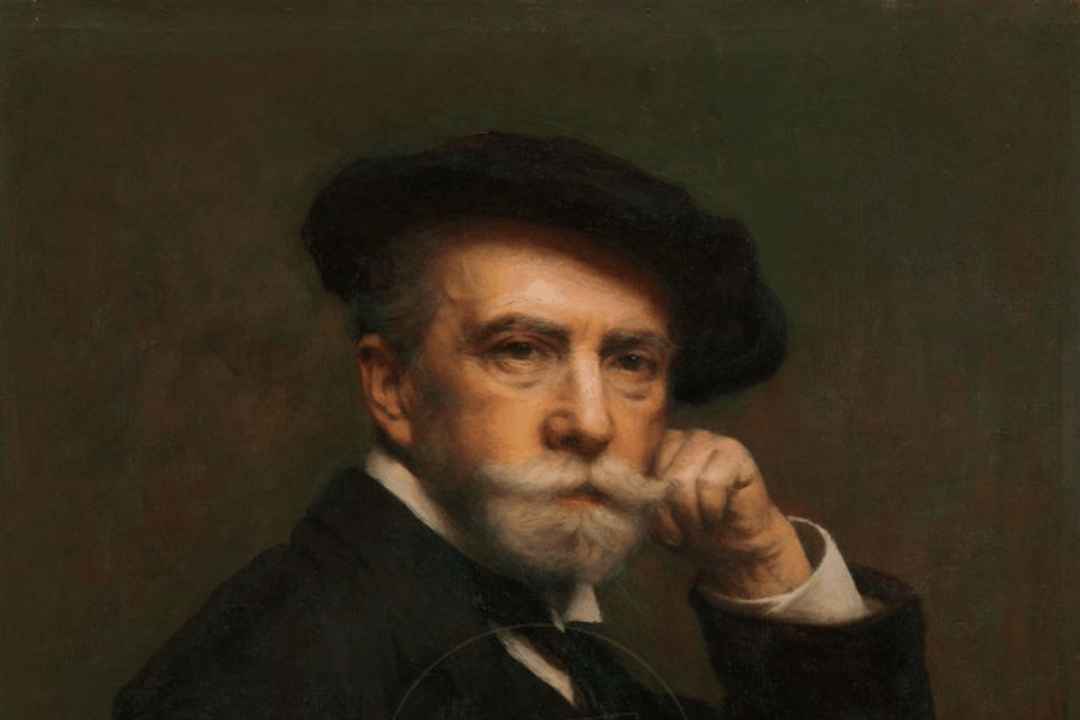
Source: Košice Online
In the footsteps of Košice’s unique 1920s modernism
Meet the third painter born in Košice who has gone down in Slovak art history as one of the most influential figures in 20th-century modern art. A leading figure of the important multicultural period known as Košice Modernism, Anton Jasusch studied at prestigious art academies in Budapest, Munich and Paris, before settling permanently in Košice. Following a gruelling period in Russian captivity during the First World War, his artistic style shifted towards decorativism, post-impressionism and plein air painting.
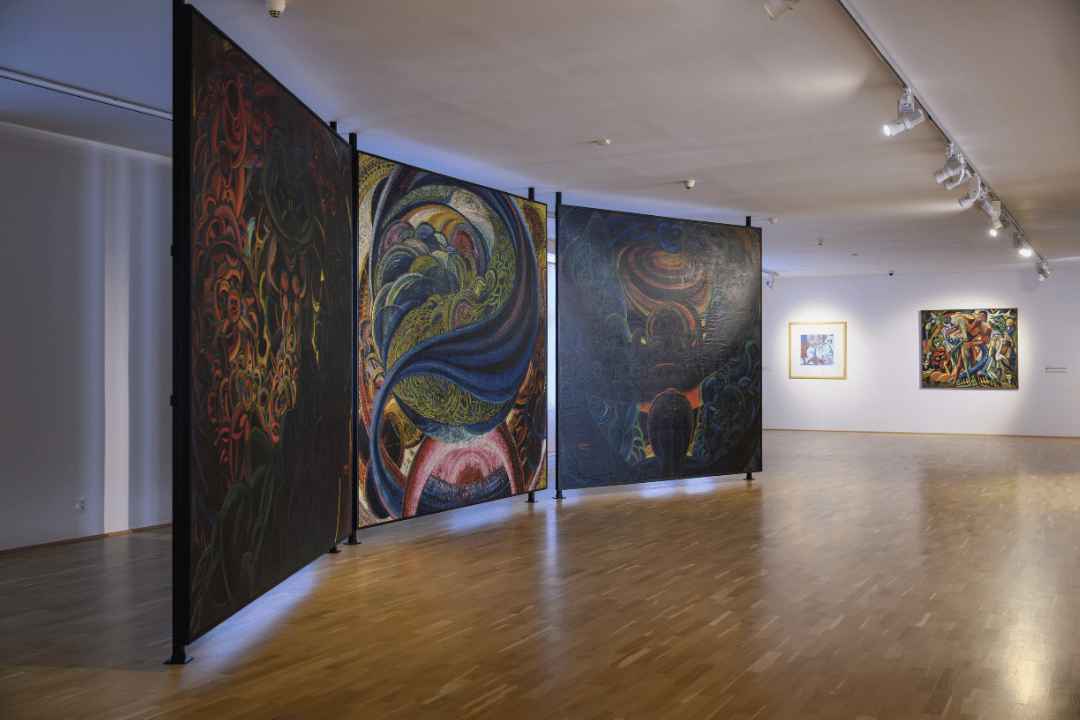
Jasusch’s work, often underappreciated during his lifetime, continues to earn the recognition of art critics and visitors to Slovak galleries to this day, not only thanks to his unique artistic style—which combines Art Nouveau elements with a modernist approach— but also for its contemplative and existential themes, the fatalism of the universe, the planet and humanity within society. You can view his magnificent work *The Demise of the Planet* at the East Slovak Gallery, and further works can also be found at the nearby Vojtech Löffler Museum.
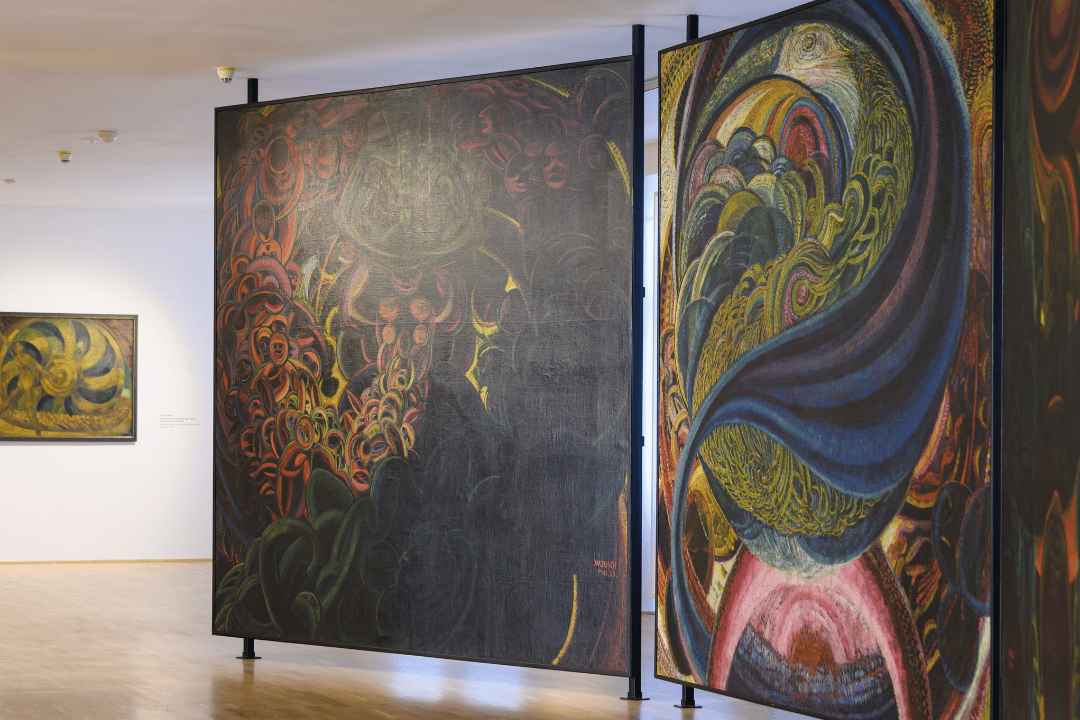
Discover other visual artists born in Košice at local galleries and museums, and delve into the depths of the art scene in the metropolis of eastern Slovakia. Click on the section Culture and Art section and plan a visit to current exhibitions and permanent displays.