

From the ancient history of Košice - Part 3: Baroque on Hlavna Street

Discover Košice like never before. Let yourself be drawn into the stories of the city's history in our article and see the city's sights with different eyes. We have prepared a selection of three Košice monuments that you will find right next to each other, in the historic triangle, and which are also built in a similar Baroque, Neo-Baroque or even Classicist style. Give them your full attention on a casual stroll through the city, or book a city tour with an experienced guide to reveal more ancient stories.
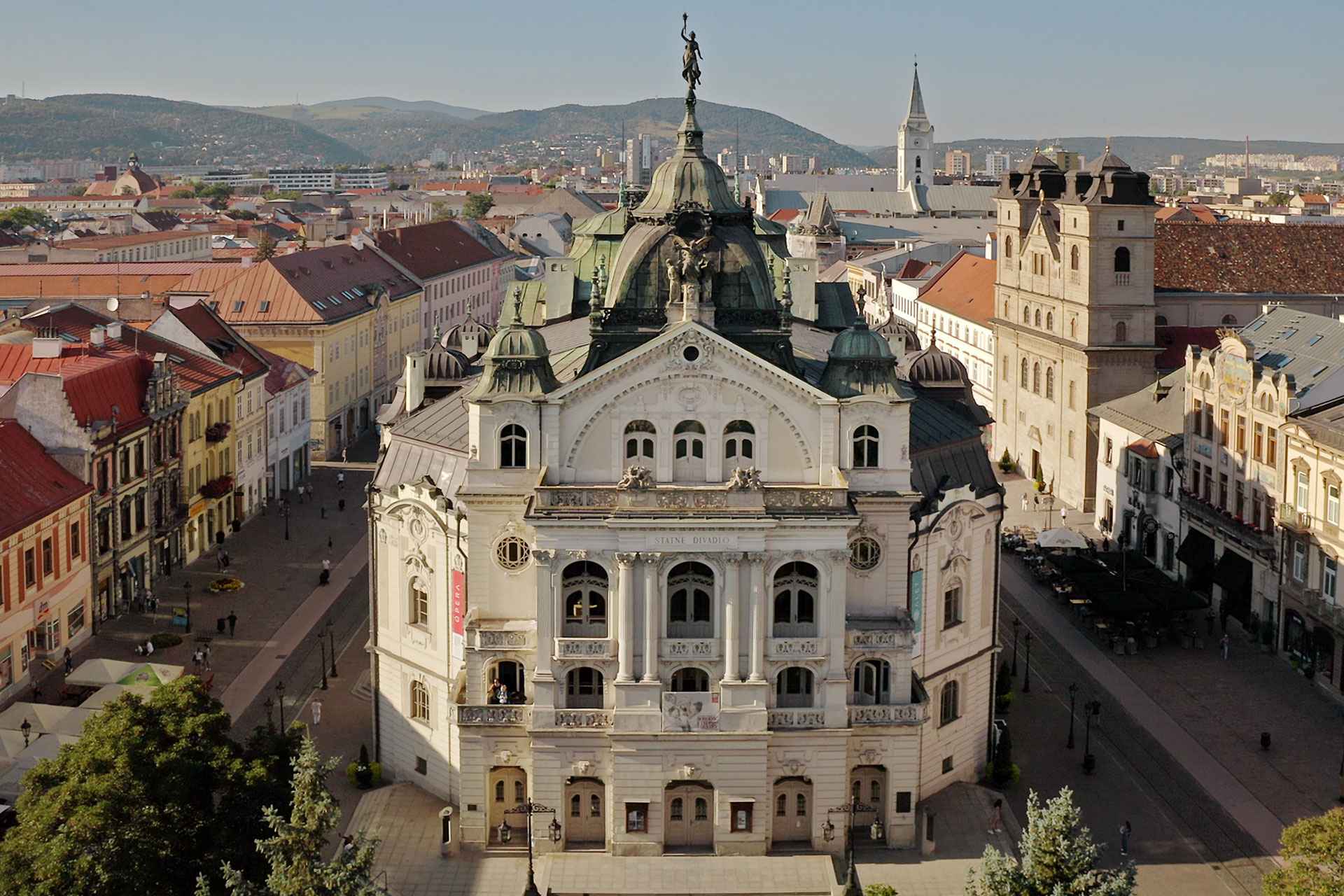
National Theatre Košice
Watch the towering pride of the historical monument reserve - the National Theatre Košice, which has stood here in its neo-Baroque and eclectic form since 1899. Its builder was the Hungarian architect Adolf Láng, who settled in Budapest after studying in Vienna. The Košice Theatre is considered the crowning achievement of his career. In 1945, the well-known Ján Borodáč became the director of the theatre and the East Slovak National Theatre was founded here, later renamed the State Theatre. The opera La Traviata by Giuseppe Verdi was the first opera premiere at the theatre in Košice.
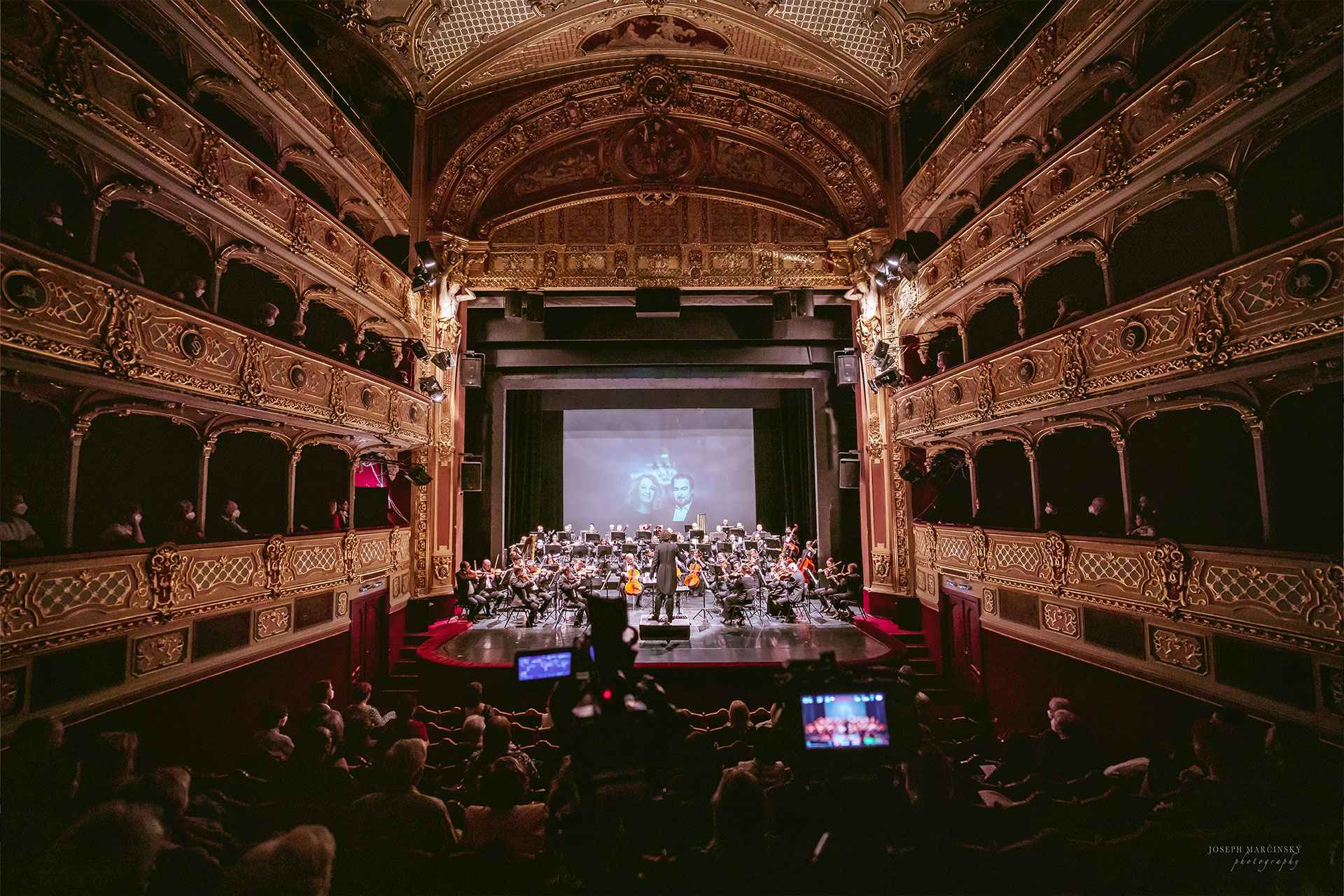
Today, the National Theatre Košice you can enjoy several artistic genres, such as opera, operetta, drama and ballet, which are covered by an acting troupe of over 300 employees. We recommend you not only to enjoy the beautiful experience of a performance in the Historical Building right in the middle of the Main Street with its impressive hall, but also to visit other events in the second building, the Small Stage, at 41 Main Street, which will definitely captivate you with its elegant pomposity.
Plague column Immaculata
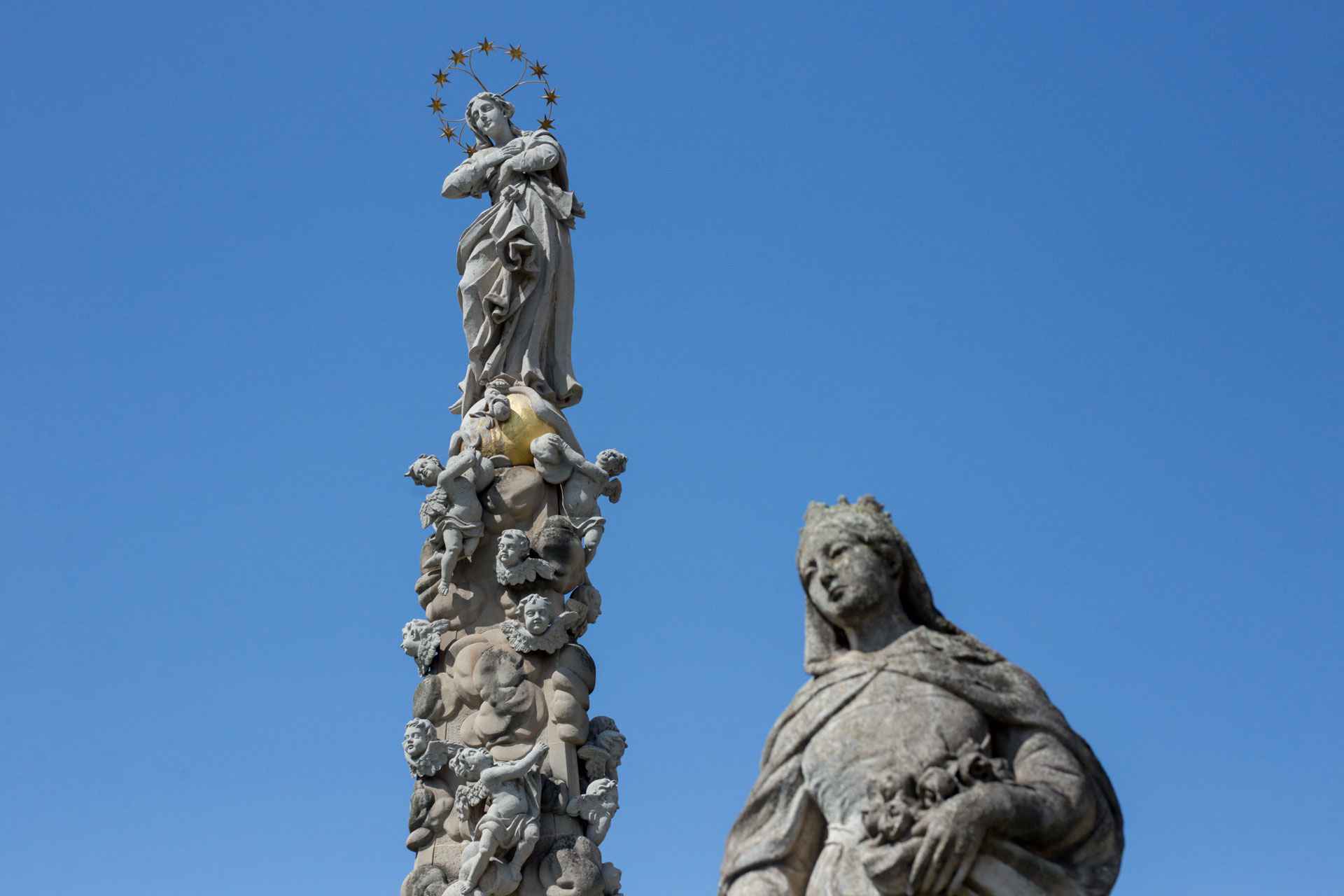
Baroque Sculpture of the Immaculate Virgin Mary can be found behind the little park in the northern part of the Main Street. It is a historical place of remembrance, referring to the scourge that took place in the city and cost many lives in Košice. However, it is not the Black Plague of the early 14th century - that plague struck Košice between 1709 and 1710. Survivors of the terrible epidemic later joined together to build the Plague Column, directed by the Košice builder Tomáš Tornyosi, to a height of 14 metres.
The Virgin Mary with a wreath of twelve stars serves as a symbol of loyalty, love and protection of the city against misery and suffering. The beautiful reliefs in gilded copper plate were created for the Immaculata by the goldsmith Juraj Immerwohl - note carefully the allegories of War, Famine and Pestilence at the bottom of the sculpture. Interestingly, the monument hides a precious reference to Saint Valentine, the patron saint of all lovers; the remains of the Roman martyr were deposited centuries ago right in the bowels of the column.

Historic Town Hall
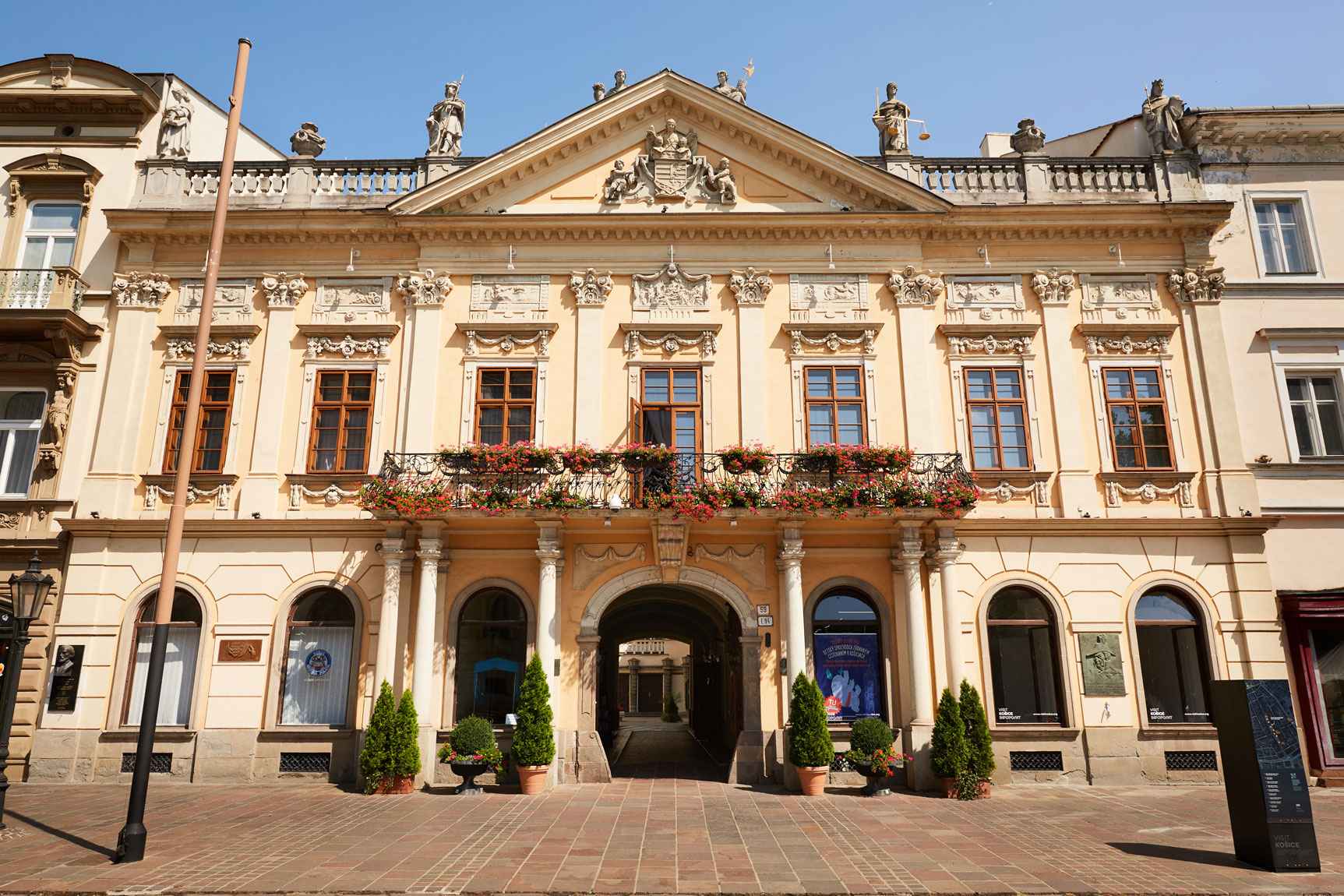
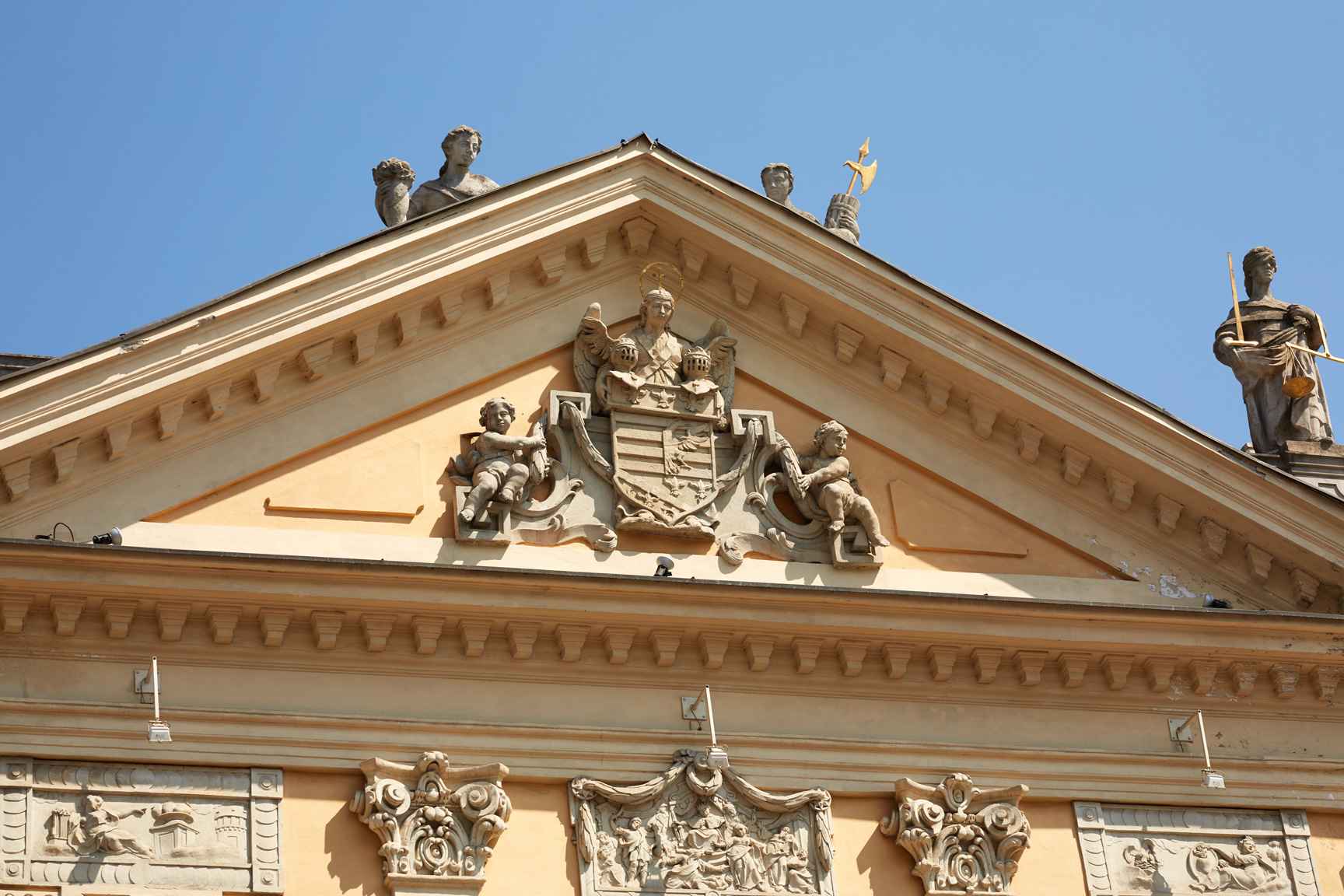
While strolling through the city centre, pay attention to the Baroque-Classical Old Town Hall, which is located in the same complex as the Visit Košice Infopoint - Here you can pick up free brochures about the sights of the city and valuable tips for local experiences. The author of the project of this important city centre for political and cultural purposes was Ján Langer, who built the building between 1779 and 1780. Stop right under the balustrade of the town hall and notice the unique sculptures with ancient motifs by the sculptor Anton Kraus.
What's more, the house has gone through various fulfilments over the centuries - after World War I, military parades were held here, and during the brief period of the Slovak Councils (SRR), the building functioned as the seat of the supreme body of the Revolutionary Government Council. In the past, the famous architect of Košice, Ľudovít Oelschläger, also contributed significantly to the development of the Old Town Hall, as he was given the task of building the Slovan Cinema in the rear of the Town Hall. Today Historical Town Hall is mainly used for cultural events, seminars, film premieres and festivals, such as the most famous Art Film Fest.
All current theatre performances (not only in the Historical Town Hall) can be found in Calendar of Events.
Discover all the historical tidbits of the city's history with handy information. Click on our website in the History and Monuments.